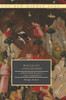

Originally published in 1997, Visualizing Boccaccio represents an intriguing approach to the interpretation of Boccaccio's classic book of erotic tales, The Decameron. Using literary, critical, psychoanalytic, and film theories, Jill Ricketts offers a feminist critique of these stories, exposing tensions generated by sexual difference that motivate privilege and investigating the possibilities of change in power relations associated with that privilege. In a comparison of selected tales from The Decameron with works by Cimabue and Giotto, fifteenth-century manuscript illumination, a series of paintings by Botticelli, and Pier Paolo Pasolini's cinematic interpretation of the tales, Ricketts also demonstrates how the juxtaposition of verbal and visual renditions permit new interpretation of each of these works.
This classic 14th-century masterpiece by Giovanni Boccaccio is a collection of 100 tales told by a group of young men and women sheltering from the Black Plague in the countryside. The stories range...
This book explores the tangled relationship between literary production and epistemological foundation as exemplified in one of the masterpieces of Italian literature. Filippo Andrei argues that...
This work has been selected by scholars as being culturally important, and is part of the knowledge base of civilization as we know it.This work is in the "public domain in the United States of...
A Note of Texts and Abbreviations Preface Introduction The 'strif of Thebes': Statius, Boccaccio, and Chaucer The Twin Necessity of Troilus and Criseyde The 'confusion of gentil wemen': Antiquity and...