In the nineteenth century, no assumption about female reading generated more ambivalence than the supposedly feminine facility for identifying with fictional characters. The belief that women were more impressionable than men inspired a continuous stream of anxious rhetoric about "female quixotes": women who would imitate inappropriate characters or apply incongruous frames of reference from literature to their own lives. While the overt cultural discourse portrayed female literary identification as passive and delusional, Palacios Knox reveals increasing accounts of Victorian women wielding literary identification as a deliberate strategy. Wayward women readers challenged dominant assumptions about "feminine reading" and, by extension, femininity itself. Victorian Women and Wayward Reading contextualizes crises about female identification as reactions to decisive changes in the legal, political, educational, and professional status of women over the course of the nineteenth century: changes that wayward reading helped women first to imagine and then to enact.
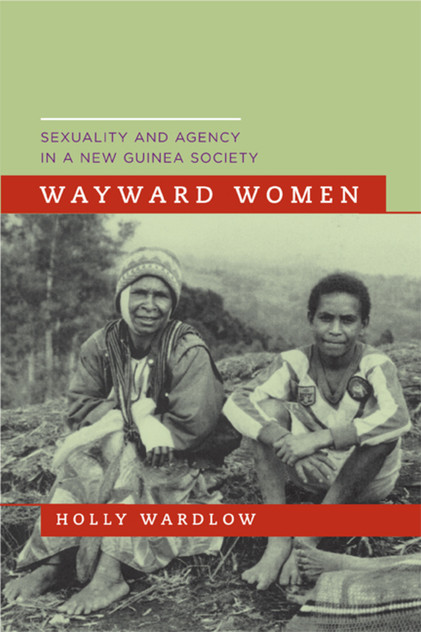
Written with uncommon grace and clarity, this extremely engaging ethnography analyzes female agency, gendered violence, and transactional sex in contemporary Papua New Guinea. Focusing on Huli...
What did reading mean to the Victorians? This question is the key point of departure for Reading and the Victorians, an examination of the era when reading underwent a swifter and more radical...
Age range 10+Six women tried and convicted for a crime of their times. Six incredible true stories spanning five centuries: the pirate, the highwaywoman, the con woman; the poisoner, the fraudster...