This book addresses critical issues in normative ethical theory. Every such theory must contain not only a theory of motivation but also a theory of value, and the link that is often forged between what is valuable and what would be right is human welfare or well-being. This topic is a subject of considerable controversy in contemporary ethics, not least because of the current reconsideration of utilitarianism. Indeed, there is as much disagreement about the nature of value and its relationship to welfare and morality, as there is about the substantive content of normative ethical theories. The essays in this collection, all written by a distinguished team of moral philosophers, provide an overview, analysis and an attempted resolution of those controversies. They constitute a rigorous account of the relationships among value, welfare and morality.
This book is written for researchers, students and professionals in areas including animal welfare ethics, animal behaviourists, veterinarians, veterinary nurses, animal welfare counsellors, animal...
This book investigates why people are willing to support an institutional arrangement that realises large-scale redistribution of wealth between social groups of society. Steffen Mau introduces the...
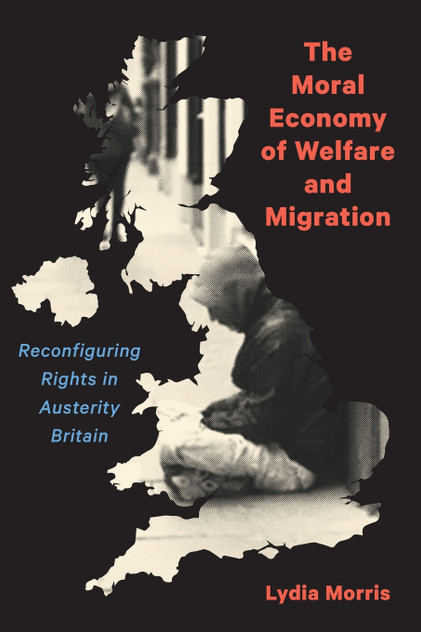
Britain's coalition government of 2010-2015 ushered in an enduring age of austerity and a ""moral mission"" of welfare reform as part of a drive for deficit reduction. Stricter controls were applied...
Moral Agendas for Children's Welfare examines the roles played by politics, religion, ethics, aesthetics, law and science in identifying children's needs and rights and critically analyses existing...