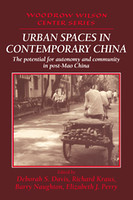

The post-Mao urban reforms of the last decade have physically and psychologically transformed China's cities. These essays explore how the character of city life shifted after the political-economic restructuring intensified in 1984, and how this shift affected the creation of new physical, economic and cultural space in urban China. The authors draw on a wide range of backgrounds, including anthropology, comparative literature, economics, art history, law, political science and sociology, as well as their own experiences of living and working in Chinese cities to provide insight into lesser known dimensions of urban Chinese life: China's large 'floating populations', avant-garde art, labor movements, and leisure.
China's urban growth is unparalleled in the history of global urbanization, and will undoubtedly create huge challenges to China as it modernizes its society. Adopting an interdisciplinary approach,...
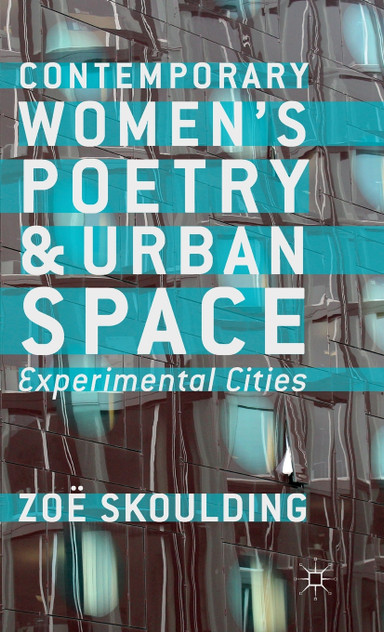
If the urban imagination has been traditionally masculine, this book shifts attention to the role of the city and its processes of mutual transformation in poetry by women writers. By turns...
This book proposes and systematically discusses four trends of thoughts in contemporary Chinese urban design. As the first book to systematically introduce contemporary Chinese urban design thoughts,...
Looking at writers such as Will Self, Hani Kureishi, JG Ballard, and Iain Sinclair, Kim Duff's new book examines contemporary British literature and its depiction of the city after the time of...