Trust in International Cooperation challenges conventional wisdoms concerning the part which trust plays in international cooperation and the origins of American multilateralism. Brian C. Rathbun questions rational institutionalist arguments, demonstrating that trust precedes rather than follows the creation of international organizations. Drawing on social psychology, he shows that individuals placed in the same structural circumstances show markedly different propensities to cooperate based on their beliefs about the trustworthiness of others. Linking this finding to political psychology, Rathbun explains why liberals generally pursue a more multilateral foreign policy than conservatives, evident in the Democratic Party's greater support for a genuinely multilateral League of Nations, United Nations and North Atlantic Treaty Organization. Rathbun argues that the post-World War Two bipartisan consensus on multilateralism is a myth, and differences between the parties are growing continually starker.
This book is an essential guide for academics and practitioners to understand employees' differences in personality and how best to motivate them accordingly. The authors provide an in-depth...
Trust is an important factor in risk management, affecting judgements of risk and benefit, technology acceptance and other forms of cooperation. In this book the world?s leading risk researchers...
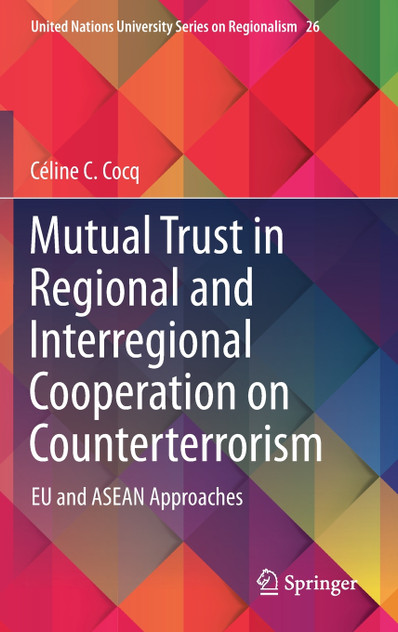
This book provides a detailed theoretical and practical analysis of a key concept in cooperation, namely mutual trust, in the EU and ASEAN regions. It particularly looks at the issue of...