sale
Trending Bestseller

Transforming Command

Eitan Shamir

No reviews yet Write a Review
Paperback / softback
288 Pages
RRP: $48.50
$43.00
Ships in 3-5 business days
Hurry up! Current stock:

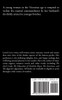
On today's complex, fragmented, fast-moving battlefield, where combatants adapt constantly to exploit one-another's weaknesses, there is a demonstrable requirement for military commanders to devolve a high level of autonomy of decision-making and action to leaders on the ground. An effective model for doing this has existed for some time in the form of mission command and has been utilized by the U.S., Israeli, and British Armies-but with mixed success.
This book examines in depth the experiences of the armed forces of each of these countries in implementing mission command, and reveals the key factors that have determined the success or failure of the implementation-factors such as the Revolution in Military Affairs (RMA), the spread of low-intensity conflicts and operations other than war, and differences in how military cultures interpret, articulate, and exercise the command function. It has significant implications for both the development of military doctrine and the training and education of tomorrow's military leaders.

"

This product hasn't received any reviews yet. Be the first to review this product!

RRP: $48.50
$43.00
Ships in 3-5 business days
Hurry up! Current stock:

Transforming Command

RRP: $48.50
$43.00

Description

On today's complex, fragmented, fast-moving battlefield, where combatants adapt constantly to exploit one-another's weaknesses, there is a demonstrable requirement for military commanders to devolve a high level of autonomy of decision-making and action to leaders on the ground. An effective model for doing this has existed for some time in the form of mission command and has been utilized by the U.S., Israeli, and British Armies-but with mixed success.
This book examines in depth the experiences of the armed forces of each of these countries in implementing mission command, and reveals the key factors that have determined the success or failure of the implementation-factors such as the Revolution in Military Affairs (RMA), the spread of low-intensity conflicts and operations other than war, and differences in how military cultures interpret, articulate, and exercise the command function. It has significant implications for both the development of military doctrine and the training and education of tomorrow's military leaders.

"

Customers Also Viewed