The Summa Theologiae is Thomas Aquinas' undisputed masterwork, and it includes his thoughts on the elemental forces in human life. Feelings such as love, hatred, pleasure, pain, hope and despair were described by Aquinas as 'passions', representing the different ways in which happiness could be affected. But what causes the passions? What impact do they have on the person who suffers them? Can they be shaped and reshaped in order to better promote human flourishing? The aim of this book is to provide a better understanding of Aquinas' account of the passions. It identifies the Aristotelian influences that lie at the heart of the Summa Theologiae, and it enters into a dialogue with contemporary thinking about the nature of emotion. The study argues that Aquinas' work is still important today, and shows why for Aquinas both the understanding and attainment of happiness requires prolonged reflection on the passions.
Ranking among the most comprehensive systematicians of theological thought, Thomas Aquinas, the bulwark of Scholasticism, looked into virtually every corner of the theological edifice. “There are two...
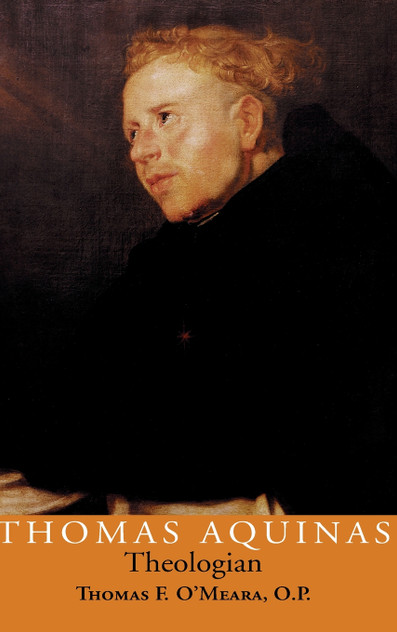
In Thomas Aquinas, Theologian Thomas O'Meara considers Aquinas the theologian and his influence, past and present. O'Meara focuses on Aquinas as teacher and preacher, and theology as the subject of...
The influence of Thomas Aquinas on Western theology is beyond dispute, yet his is a contested legacy. In current evangelical studies, there is an emerging infatuation with Thomas, especially as far...
This is an in-depth study of every major aspect of Thomas Aquinas' theology. Contributors offer fresh and compelling readings of Aquinas on the Trinity, creation theology, theory of analogy,...