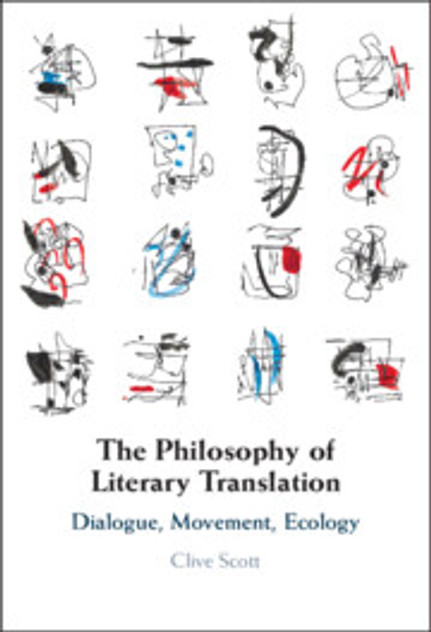
Offering an original reconceptualization of literary translation, Clive Scott argues against traditional approaches to the theory and practice of translation. Instead he suggests that translation should attend more to the phenomenology of reading, triggering creative textual thinking in the responsive reader rather than testing the hermeneutic skills of the professional translator. In this new guise, translation enlists the reader as an active participant in the constant re-fashioning of the text's structural, associative, intertextual and intersensory possibilities, so that our larger understanding of ecology, anthropology, comparative literature and aesthetics is fundamentally transformed and our sense of the expressive resources of language radically extended. Literary translation thus assumes an existential value which takes us beyond the text itself to how it situates us in the world, and what part it plays in the geography of human relationships.
Do translation theorists observe what translators do and develop theories based on that? Do translators gain ideas and tools from studying theories? Or does it go both ways? Or is it neither, and...
This book explores the role of gender in male- and female-produced efforts to translate a Chinese novel into English. Adopting the CDA framework and corpus methodology, the study examines the...