The United Nations in Global Tax Coordination fills the decade-long knowledge gap in international tax history concerning the UN Fiscal Commission, which functioned as the overarching fiscal authority during the early post-World War II economic order. With insights from political economy and international relations scholarship, this critical archival examination chronicles the tenacious activism by post-colonial developing countries to preserve source taxation rights, and by the UN Secretariat in championing the development of equitable tax rules. Such activism would ultimately lead developed countries to oust the UN as a forum for international tax norm setting. The book includes a revealing prehistory of the wartime work of the League of Nations that questions the legitimacy of the Mexico Model, the first model tax convention between developed and developing countries. This expertly researched work is essential reading for understanding the roles of politics, states, secretariats and private actors in directing global tax coordination.
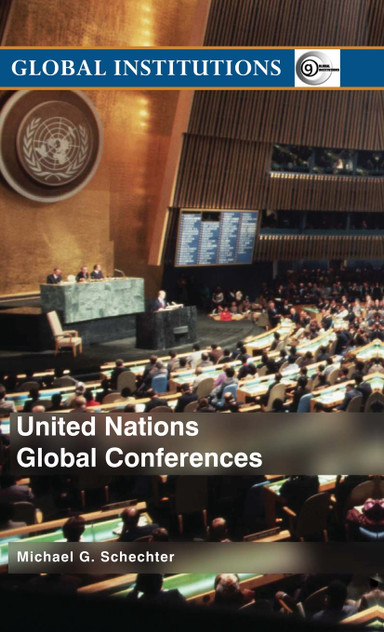
This new book covers the origins purposes, trends and controversies of the United Nations' global conferences.There are 30 such conferences to compare, and many argue that they have not been worth...
The United Nations is among the most important international organizations. But is it only a talking shop? Or does it have a role, as forum, vehicle, or actor, in addressing the most important...
Seminar paper from the year 2008 in the subject Politics - International Politics - Topic: Globalization, Political Economics, grade: 1,3, University of Münster (Institut für Politikwissenschaft),...
The book combines interdisciplinary teams from business, economics, information science, law and political science to offer a unique and innovative interdisciplinary approach to the issue of...