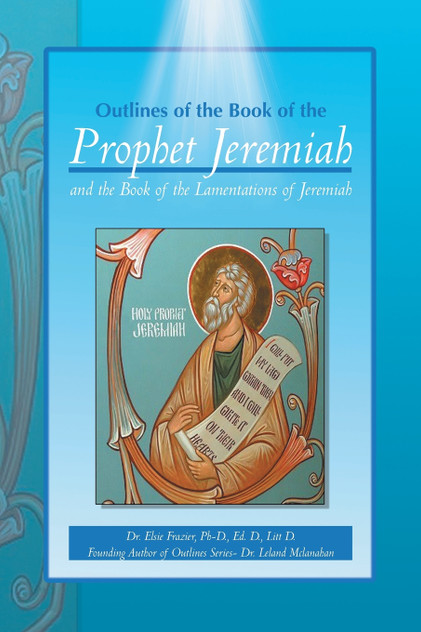
The present study focuses on the theology of the Book of Jeremiah. That theology revolves around themes familiar from Israel's covenantal faith, especially the sovereignty of YHWH expressed in judgment and promise. The outcome of this theological nexus of context, person, and tradition is a book that moves into the abyss and out of the abyss in unexpected ways. It does so, in part, by asserting that God continues to be generatively and disturbingly operative in the affairs of the world, up to and including our contemporary abysses (such as 9/11). The God attested in the Book of Jeremiah invites its readers into and through any and all such dislocations to new futures that combine divine agency and human inventiveness rooted in faithfulness.
This work has been selected by scholars as being culturally important, and is part of the knowledge base of civilization as we know it. This work was reproduced from the original artifact, and...
The Book of the Prophet Jeremiah and the Lamentations of Jeremiah is a religious text written by Eduard Naegelsbach in 1871. The book contains two main sections: the first is the Book of the Prophet...
When we look around at today's world, hope usually isn't the first word that comes to mind. In many ways we live in an unstable world where marriages fail, bank accounts run low, friendships end, and...