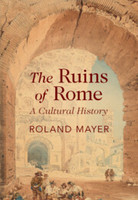
The beguiling ruins of Rome have a long history of allure. They first engaged the attention of later mediaeval tourists, just as they do today. The interest of travellers was captured in the Renaissance by artists, architects, topographers, antiquarians, archaeologists and writers. Once the ruins were seen to appeal to visitors, and to matter for their aesthetic quality, their protection and attractive presentation became imperative. Rome's ruins were the first to be the object of preservation orders, and novel measures were devised for their conservation in innovative archaeological parks. The city's remains provided models for souvenirs; paintings of them decorated the walls of eighteenth-century English country houses; and picturesque sham Roman ruins sprang up in landscape gardens across Europe. Writers responded in various ways to their emotional appeal. Roland Mayer's attractive new history will delight all those interested in the remarkable survival and preservation of a unique urban environment.
The 18th century was a wealth of knowledge, exploration and rapidly growing technology and expanding record-keeping made possible by advances in the printing press. In its determination to preserve...
New and old coexist in harmony due to continued adaptation, preservation, and re-use. The result is a vibrant and flourishing city that is constantly re-inventing itself. This project examines how...
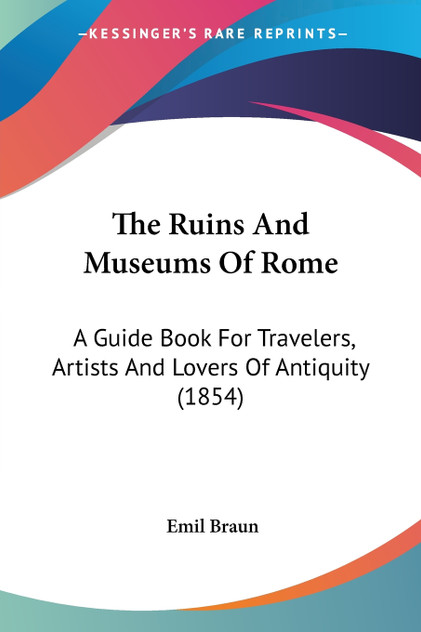
The Ruins and Museums of Rome: A Guide Book for Travelers, Artists, and Lovers of Antiquity is a comprehensive guide to the ancient city of Rome, written by Emil Braun in 1854. The book provides a...
Rome and its Ruins is an unchanged, high-quality reprint of the original edition of 1865.Hansebooks is editor of the literature on different topic areas such as research and science, travel and...
At over 2,500 years old, Rome is more than the capital of Italy. It is the center of artistic creativity and a cultural complex that arguably outstrips any other location on earth. Ancient monuments...