Since economies are dynamic processes driven by creativity, social norms, and emotions as well as rational calculation, why do economists largely study them using static equilibrium models and narrow rationalistic assumptions? Economic activity is as much a function of imagination and social sentiments as of the rational optimisation of given preferences and goods. In this book, Richard Bronk argues that economists can best model and explain these creative and social aspects of markets by using new structuring assumptions and metaphors derived from the poetry and philosophy of the Romantics. By bridging the divide between literature and science, and between Romanticism and narrow forms of Rationalism, economists can access grounding assumptions, models, and research methods suitable for comprehending the creativity and social dimensions of economic activity. This is a guide to how economists and other social scientists can broaden their analytical repertoire to encompass the vital role of sentiments, language, and imagination.
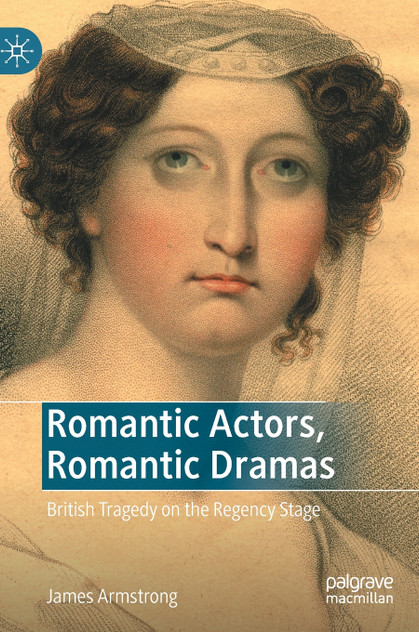
This book reinterprets British dramas of the early-nineteenth century through the lens of the star actors for whom they were written. Unlike most playwrights of previous generations, the writers of...
This book views Romantic literature's discourses of childhood, education, and reproduction through the eyes of four early nineteenth-century British authors who were uniquely implicated in those...
Some endings deserve a second chance.Dr. Harrison Ramsey has it all.A flourishing plastic surgery practice, close friends, and a coveted membership to one of Houston's most elite and secretive clubs...