The reign of the emperor Constantine (306-337) was as revolutionary for the transformation of Rome's Mediterranean empire as that of Augustus, the first emperor three centuries earlier. The abandonment of Rome signaled the increasing importance of frontier zones in northern and central Europe and the Middle East. The foundation of Constantinople as a new imperial residence and the rise of Greek as the language of administration previewed the establishment of a separate eastern Roman empire. Constantine's patronage of Christianity required both a new theology of the Christian Trinity and a new political image of a Christian emperor. Raymond Van Dam explores and interprets each of these events. His book complements accounts of the role of Christianity by highlighting ideological and cultural aspects of the transition to a post-Roman world.
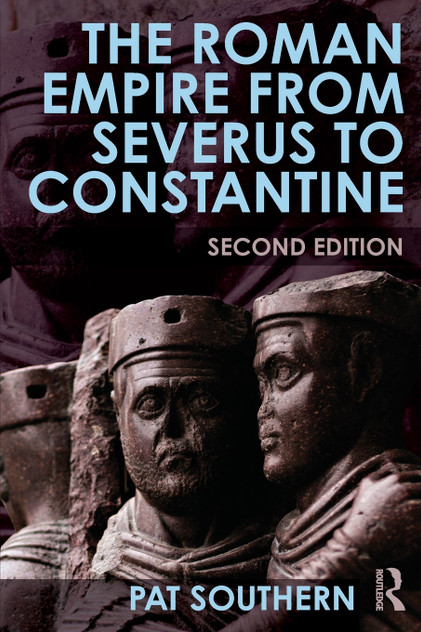
In this new edition Pat Southern examines the anarchic era of the soldier Emperors that preceded the crisis of AD 260, and the reigns of underrated and maligned Emperors such as Gallienus, Probus and...
This work has been selected by scholars as being culturally important, and is part of the knowledge base of civilization as we know it.This work is in the "public domain in the United States of...
This book provides a definitive account of the history of the Roman calendar, offering new reconstructions of its development that demand serious revisions to previous accounts. Examines the...
Eugénie Strong's classic study of Roman sculpture provides a comprehensive overview of the art and architecture of the Roman world from the reign of Augustus to the emperor Constantine. With detailed...