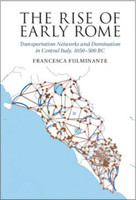
The trajectory of Rome from a small village in Latium vetus, to an emerging power in Italy during the first millennium BC, and finally, the heart of an Empire that sprawled throughout the Mediterranean and much of Europe until the 5th century CE, is well known. Its rise is often presented as inevitable and unstoppable. Yet the factors that contributed to Rome's rise to power are not well understood. Why Rome and not Veii? In this book, Francesca Fulminante offers a fresh approach to this question through the use of a range of methods. Adopting quantitative analyses and a novel network perspective, she focuses on transportation systems in Etruria and Latium Italy from ca. 1000-500 BC. Fulminante reveals the multiple factors that contributed to the emergence and dominance of Rome within these regional networks, and the critical role they in the rise of the city and, ultimately, Roman imperialism.
'An elegant, swift and faultless introduction to the subject' The SpectatorStarting with the founding myth of Romulus and Remus, Anthony Everitt charts Rome's development from its origins as a small...
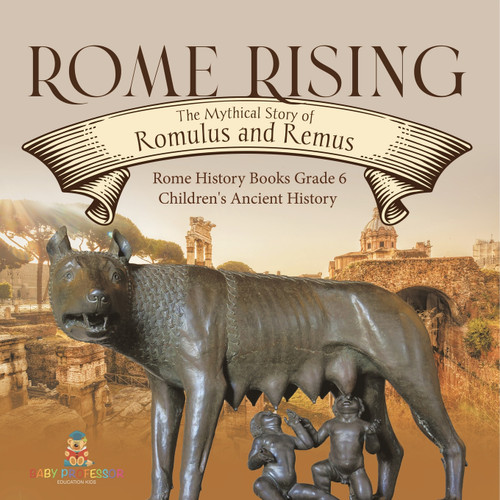
Two of the main historical figures in Rome were the twins Romulus and Remus. In this book, you will learn about the formation and rise of Rome based on story of these mythical twins. You will also...
Comedy and the Rise of Rome invites the reader to consider Roman comedy in the light of history and Roman history in the light of comedy. Plautus and Terence base their dramas on the New Comedy of...
This work has been selected by scholars as being culturally important, and is part of the knowledge base of civilization as we know it. This work was reproduced from the original artifact, and...