To declare oneself a conservative in American foreign policy is to enter immediately into a fractious, long-standing debate. Should America retreat from the world, deal with the world as it is, or try to transform it in its own image? Which school of thought - traditionalist, realist, or neoconservative - is closest to the country's ideals and interests? With the dramatic shift in American foreign policy since 9/11, these differences have been brought into stark relief, especially by the Bush administration's decision to go to war in Iraq. This book brings together the most articulate and influential voices in the debate among conservatives over the tactics and strategy of America's engagement in Iraq. The collection runs the gamut from protests to second thoughts to full-throated endorsements. The contributors are major conservative spokesmen whose ideological influences have a role in guiding the Bush administration as it formulates its policy goals for Iraq.
THE RIGHTING WARSAnd every city or house divided against itself shall not stand…One thousand years after World War III in a land that was once the beautiful concept of the United States of America...
Six years from now, Paul Daniels, a dynamic young lawyer at a small but prestigious firm, handles the appeal of the Elmore family to overturn a decision awarded to a minor son under new Civil Rights...
This is a reproduction of a book published before 1923. This book may have occasional imperfections such as missing or blurred pages, poor pictures, errant marks, etc. that were either part of the...
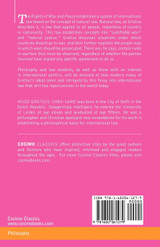
The Rights of War and Peace establishes a system of international law based on the concept of natural law. Natural law, as Grotius describes it, is law that applies to all people, regardless of...