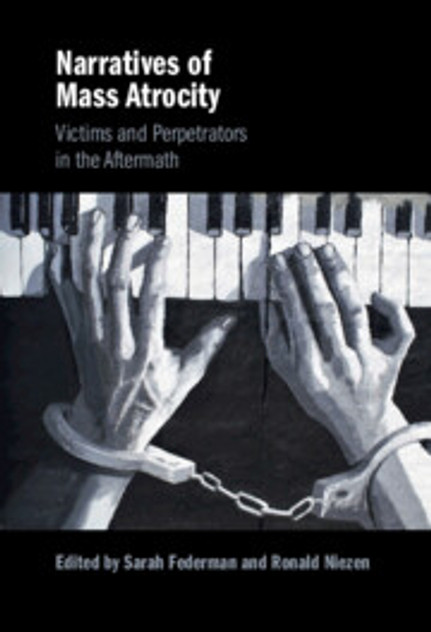
A peculiar and fascinating aspect of many responses to mass atrocities is the creative and eclectic use of religious language and frameworks. Some crimes are so extreme that they 'cry out to heaven', drawing people to employ religious vocabulary to make meaning of and to judge what happened, to deal with questions of guilt and responsibility, and to re-establish hope and trust in their lives. Moreover, in recent years, religious actors have become increasingly influential in worldwide contexts of conflict-resolution and transitional justice. This collection offers a critical assessment of the possibilities and problems pertaining to attempts to bring religious - or semi-religious - allegiances and perspectives to bear in responses to the mass atrocities of our time: When and how can religious language or religious beliefs and practices be either necessary or helpful? And what are the problems and reasons for caution or critique? In this book, a group of distinguished scholars explore these questions and offer a range of original explanatory and normative perspectives.
This book brings a new focus to the ongoing debate on holding perpetrators of massive humanitarian and human rights violations accountable in countries in transition. It provides a clear-cut and...
This book ambitiously weaves together history and politics to explain all of the major situations where mass atrocities have occurred, or been prevented, over the 15 years since the...