Problems are a central part of human life. The Psychology of Problem Solving organizes in one volume much of what psychologists know about problem solving and the factors that contribute to its success or failure. There are chapters by leading experts in this field, including Miriam Bassok, Randall Engle, Anders Ericsson, Arthur Graesser, Keith Stanovich, Norbert Schwarz, and Barry Zimmerman, among others. The Psychology of Problem Solving is divided into four parts. Following an introduction that reviews the nature of problems and the history and methods of the field, Part II focuses on individual differences in, and the influence of, the abilities and skills that humans bring to problem situations. Part III examines motivational and emotional states and cognitive strategies that influence problem solving performance, while Part IV summarizes and integrates the various views of problem solving proposed in the preceding chapters.
The art or skill of problem solving in mathematics is mostly relegated to the strategies one can use to solve problems in the field. Although this book addresses that issue, it delves deeply into the...
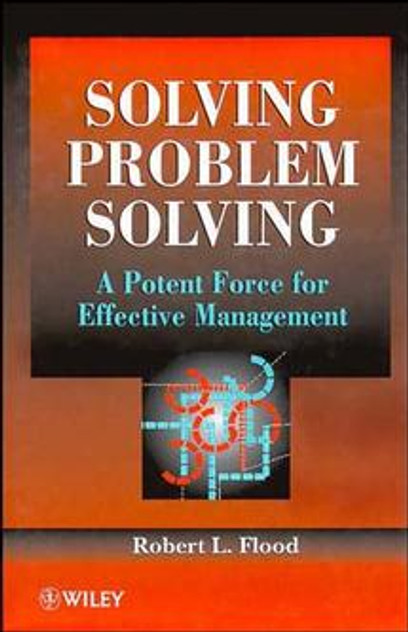
Flood introduces a dynamic new problem solving system called Total Systems Intervention (TSI). He provides a clear understanding of TSI in terms of its philosophy, principles and process, explaining...
Problem-solving and better thinking skills are among the top skills that employers are looking for. This book presents various methods of problem-solving that can be adapted to any field. It focuses...
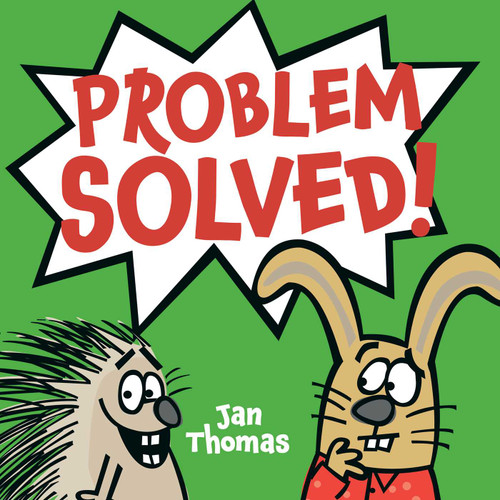
Rabbit hopes Pete the Problem-Solving Porcupine can get her out of a bind only to wind up with more issues than she started with in this hilarious and relatable picture book.Rabbit has a problem! Her...
What do mothball-induced dizziness, an oddly shaped placebo, a unique use for vinegar, a paper clip, and fish that lived have in common? These are situations that...