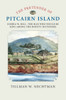
Pitcairn, a tiny Pacific island that was refuge to the mutineers of HMAV Bounty and home to their descendants, later became the stage on which one imposter played out his influential vision for British control over the nineteenth-century Pacific Ocean. Joshua W. Hill arrived on Pitcairn in 1832 and began his fraudulent half-decade rule that has, until now, been swept aside as an idiosyncratic moment in the larger saga of Fletcher Christian's mutiny against Captain Bligh, and the mutineers' unlikely settlement of Pitcairn. Here, Hill is shown instead as someone alert to the full scope and power of the British Empire, to the geopolitics of international imperial competition, to the ins and outs of naval command, the vicissitudes of court politics, and, as such, to Pitcairn's symbolic power for the British Empire more broadly.
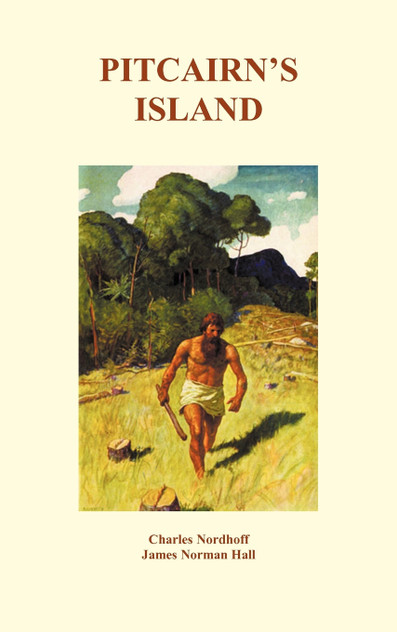
The third from The Bounty Trilogy, Pitcairn's Island chronicles the fate of Christian, the mutineers, and a handful of Tahitians, who together take refuge on the loneliest island in the Pacific.
This work has been selected by scholars as being culturally important, and is part of the knowledge base of civilization as we know it. This work was reproduced from the original artifact, and...