The Presence of Rome in Medieval and Early Modern Britain
This book explores the cultural and intellectual stakes of medieval and renaissance Britain's sense of itself as living in the shadow of Rome: a city whose name could designate the ancient, fallen, quintessentially human power that had conquered and colonized Britain, and also the alternately sanctified and demonized Roman Church. Wallace takes medieval texts in a range of languages (including Latin, medieval Welsh, Old English and Old French) and places them in conversation with early modern English and humanistic Latin texts (including works by Gildas, Bede, Chaucer, Shakespeare, Bacon, St. Augustine, Dante, Erasmus, Luther and Montaigne). 'The Ordinary', 'The Self', 'The Word', and 'The Dead' are taken as compass points by which individuals lived out their orientations to, and against, Rome, isolating important dimensions of Rome's enduring ability to shape and complicate the effort to come to terms with the nature of self and the structure of human community.
What was a "garden" in medieval and early modern British culture and how was it imagined? How did it change as Europe opened up to the wider world from the 16th century onwards? In a series of fresh...
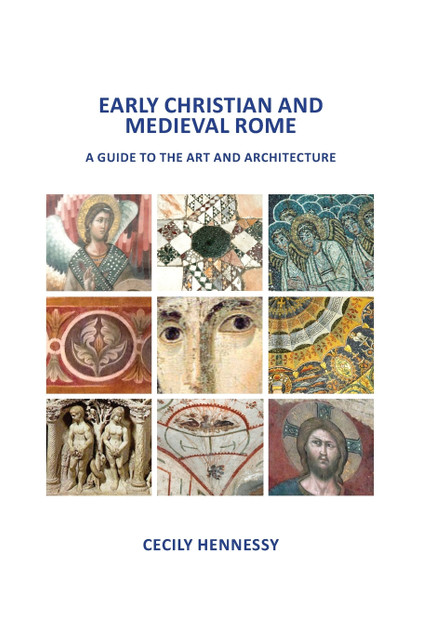
ContentEarly Christian and Medieval Rome looks at the fascinating art and architecture in Rome dating from between about 300 and 1300. In the fourth and fifth centuries, Rome was the most important...