One of the chief functions of poetry in Antiquity, the Middle Ages and the Renaissance was to praise gods, people and things. Heroes and kings were glorified in many varieties of praise, and the arts of encomium and panegyric were codified by classical rhetoricians and later by writers on poetry. J. A. Burrow's study spans over two thousand years, from Pindar to Christopher Logue, but its main concern is with the English poetry of the Middle Ages, a period when praise poetry flourished. He argues that the 'decline of praise' in English literature since the seventeenth century, which has meant that modern readers and critics find it hard to appreciate this kind of poetry. This erudite but accessible account by a leading scholar of medieval literature shows why the poetry of praise was once so popular, and why it is still worth reading today.
Title: The Praises of Poetry. A poem.Publisher: British Library, Historical Print EditionsThe British Library is the national library of the United Kingdom. It is one of the world's...
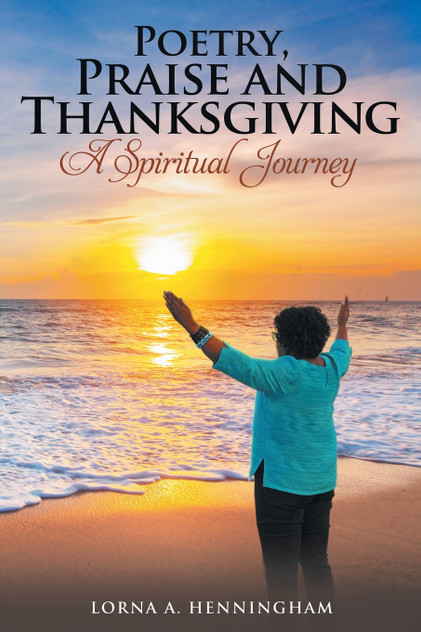
Poetry, Praise and Thanksgiving (A Spiritual Journey) was garnered through my combined life experiences, and those of persons who have molded and shaped my life spiritually, emotionally, and...
In the wee hours of the morning, when the world about me is still and quiet, I eagerly pour myself with love into each of these poems with the help of the Holy Spirit as my guide...
This book gives an insight into panegyrics, a genre central to understanding medieval Near Eastern Society. Poets in this multi-ethnic society would address the majority of their verse to rulers,...