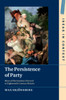

Political parties are taken for granted today, but how was the idea of party viewed in the eighteenth century, when core components of modern, representative politics were trialled? From Bolingbroke to Burke, political thinkers regarded party as a fundamental concept of politics, especially in the parliamentary system of Great Britain. The paradox of party was best formulated by David Hume: while parties often threatened the total dissolution of the government, they were also the source of life and vigour in modern politics. In the eighteenth century, party was usually understood as a set of flexible and evolving principles, associated with names and traditions, which categorised and managed political actors, voters, and commentators. Max Skjönsberg thus demonstrates that the idea of party as ideological unity is not purely a nineteenth- or twentieth-century phenomenon but can be traced to the eighteenth century.
What was your dream when you were growing up? Are you living it now? Gone are the days of settling for less in life and quitting on your dreams. Dr. Lee has spent the last ten years researching what...
Seventeen Year olds, Alex and Caleb left their family and the authoritarian encampment that has been living in isolation for over fifty years. The journey has been hard, they met new friends, but...
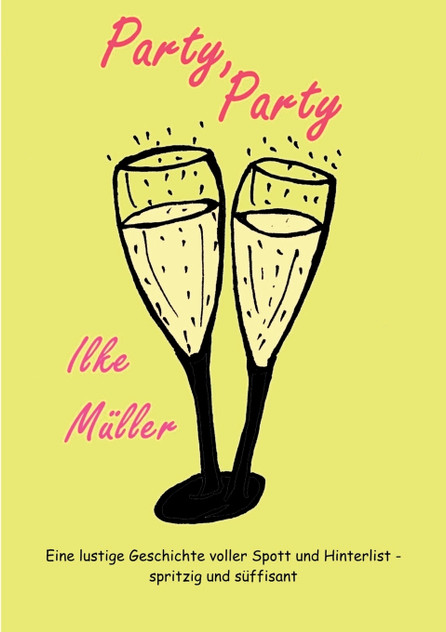
Eine Partyagentur in Rheinland- PfalzDana Petry geht nicht gerade zimperlich mit ihrem neuen Kollegen um und mobbt ihn wo sie nur kann. Firmenchefin Eleonore Wingert ist ratlos und versucht...
This is a reproduction of a book published before 1923. This book may have occasional imperfections such as missing or blurred pages, poor pictures, errant marks, etc. that were either part of the...