Trending Bestseller

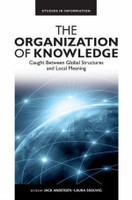
The Organization of Knowledge

Jack Andersen

No reviews yet Write a Review
Hardback
128 Pages
$247.00
Ships in 5–7 business days
Hurry up! Current stock:
Through different theoretical and analyses glasses, this book critically examines the organization of knowledge as it is involved in matters of digital communication, the social, cultural, and political consequences of classifying, and how particular historical contexts shape ideas of information and what information to classify and record. Due to permeation of digital infrastructures, software, and digital media in everyday life, many aspects of contemporary culture and society are infused with the activity and practice of classification. That means that old questions about classification have their potency in modern discourses about surveillance, identify formation, big data and so on. At the same time, this situation also implies a need to reconsider these old questions and how to frame them in digital culture.This book contains contributions that consider classic library classification practices and how their choices have social, cultural and political effect, how the organization of knowledge is not only a professional practice but is also a way of communicating and understanding digital culture, and how what a particular historical context perceive as information has implications for the recording of that information. As such, the book can be seen as a contribution to modern societal and research conversations concerned with issues of describing, classifying, and archiving objects - issues abounding in contemporary digital culture because of their social and culture consequences for all of us. The book is relevant as a reader in courses on classification, archiving, big data, or communication.

This product hasn't received any reviews yet. Be the first to review this product!

$247.00
Ships in 5–7 business days
Hurry up! Current stock:

The Organization of Knowledge

$247.00

Description

Through different theoretical and analyses glasses, this book critically examines the organization of knowledge as it is involved in matters of digital communication, the social, cultural, and political consequences of classifying, and how particular historical contexts shape ideas of information and what information to classify and record. Due to permeation of digital infrastructures, software, and digital media in everyday life, many aspects of contemporary culture and society are infused with the activity and practice of classification. That means that old questions about classification have their potency in modern discourses about surveillance, identify formation, big data and so on. At the same time, this situation also implies a need to reconsider these old questions and how to frame them in digital culture.This book contains contributions that consider classic library classification practices and how their choices have social, cultural and political effect, how the organization of knowledge is not only a professional practice but is also a way of communicating and understanding digital culture, and how what a particular historical context perceive as information has implications for the recording of that information. As such, the book can be seen as a contribution to modern societal and research conversations concerned with issues of describing, classifying, and archiving objects - issues abounding in contemporary digital culture because of their social and culture consequences for all of us. The book is relevant as a reader in courses on classification, archiving, big data, or communication.
Customers Also Viewed