The first political theory of post-Communism examines its implications for understanding liberty, rights, transitional justice, property rights, privatization, rule of law, centrally planned public institutions, and the legacies of totalitarian thought in language and discourse. The transition to post-totalitarianism was the spontaneous adjustment of the rights of the late-totalitarian elite to its interest. Post-totalitarian governments faced severe scarcity in the supply of justice. Rough justice punished the perpetrators and compensated their victims. Historical theories of property rights became radical, and consequentialist theories, conservative. Totalitarianism in Europe disintegrated but did not end. The legacies of totalitarianism in higher education met New Public Management, totalitarian central planning under a new label. Totalitarianism divorced language from reality through the use of dialectics that identified opposites and the use of logical fallacies to argue for ideological conclusions. This book illustrates these legacies in the writings of Habermas, Derrida, and Žižek about democracy, personal responsibility, dissidence, and totalitarianism.
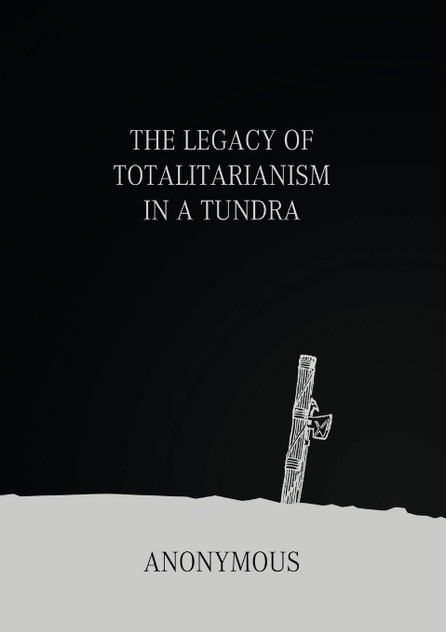
The Legacy of Totalitarianism in a Tundra/lit/ Approved Epic FantasyAs featured in: Harold Bloom's Shiterary Canon - The Best and Worst of Postmodernist LiteratureDonetsk Times Best Selling AuthorThe...
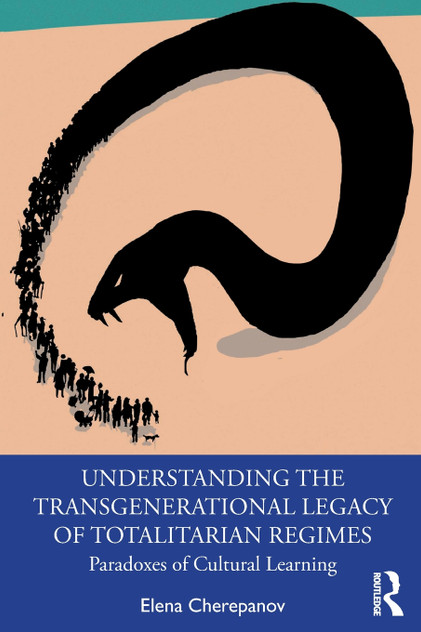
Understanding the Transgenerational Legacy of Totalitarian Regimes examines the ways in which the cultural memory of surviving totalitarianism can continue to shape individual and collective...
Corporate Totalitarianism reflects on the changing nature of economic, political and social power in the global context and the ways in which this affects both individual and society.