In this groundbreaking book, Frank K .Upham uses empirical analysis and economic theory to demonstrate how myths surrounding property law have blinded us to our own past and led us to demand that developing countries implement policies that are mistaken and impossible. Starting in the 16th century with the English enclosures and ending with the World Bank's recent attempt to reform Cambodian land law - while moving through 19th century America, postwar Japan, and contemporary China - Upham dismantles the virtually unchallenged assertion that growth cannot occur without stable legal property rights, and shows how rapid growth can come only through the destruction of pre-existing property structures and their replacement by more productive ones. He argues persuasively for the replacement of Western myths and theoretical simplifications with nuanced approaches to growth and development that are sensitive to complexity and difference and responsive to the political and social factors essential to successful broad-based development.
In this powerful speech, The Right Rev. The Lord Bishop of Derry, DD, challenges the fallacy that has taken hold of our society. Drawing on his experiences as a religious leader and political figure,...
This work has been selected by scholars as being culturally important, and is part of the knowledge base of civilization as we know it.This work is in the "public domain in the United States of...
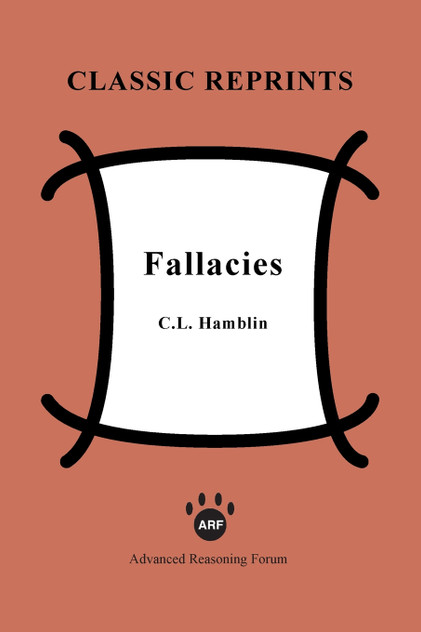
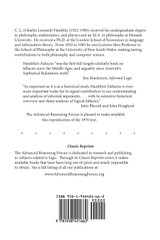
C. L. Hamblin's Fallacies was the first full survey of the history of fallacies. His deep analysis of arguments and reasoning intiated much work on critical thinking. This is a reproduction of the...
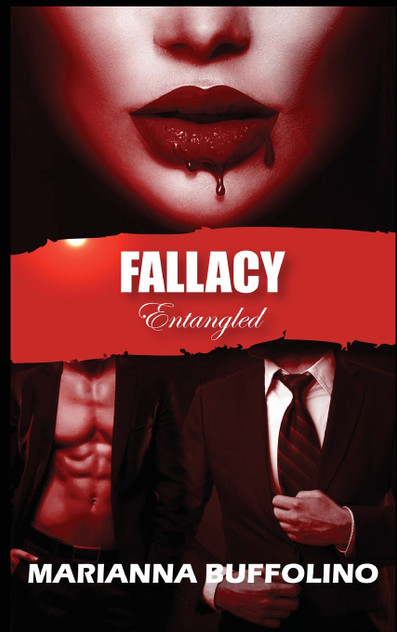
The plan was simple. Aria and her twin brother, Lorenzo, agreed that they would not enter into the family business of organized crime. With a turn of events, Lorenzo decides to fill in the seat as...