This book aims to fill the gap between unscientific comments about the hazards and benefits of high-fat or low-fat diets and weight control found in magazines and technical and medical reports about lipid biochemistry and obesity. It aims to explain in simple language the biology of feeding and fasting, fattening and slimming in wild animals as well as people. Topics include where fat comes from and how animals and plants handle them, their natural roles in migration, mating breeding and living in unpredictable habitats such as deserts and arctic regions, and their contributions to our cookery, paints and medicines. The physiological mechanisms of digesting, transporting and utilising energy stores are discussed, along with the contribution of fatty tissue to body insulation and the protection of delicate organs. Archaeological, anthropological and physiological evidence is assembled to explore how, when and why people have become fat, and how evolutionary forces have determined the modern diversity of body shape and size. The book ends with a brief account of the contribution of dietary fats and obesity to health in the modern world.
We lose it. We gain it. We hate it. We hide it. We shame it. We suck it in and we even suck it out. Fat is an international obsession, a dirty word and our least understood body part. A...
In this disarming and candid memoir, cultural critic Clarkisha Kent unpacks the kind of compounded problems you face when you're a fat, Black, queer woman in a society obsessed with heteronormativity...
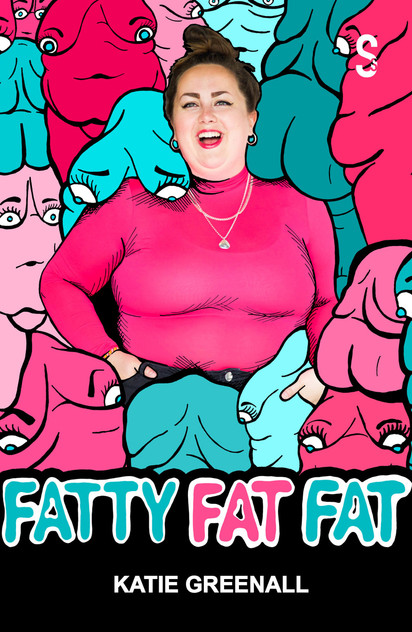
Ever feel like your body takes up too much space in a world that doesn't want to make any room? Katie is fat. Pretty much always been fat, and will be fat forever.FATTY FAT FAT is a funny, frank and...