This book studies individual works by twelve major writers of German modernism, including Thomas Mann, Musil, Brecht and Rilke, in relation to the history of the twentieth century. It explores the theme of the 'dear purchase', an ideal of moral strenuousness and sacrifice seen as characteristic of Germany after Nietzsche, and reveals the underlying flaw in this notion as a self-justifying value. In this context, it considers the renaissance of German poetry after 1900, the impact of the War of 1914, its aftermath in uncertainty and relativism, and attitudes to the Hitler period, and finally juxtaposes Mann's Felix Krull and Kafka's story Josephine as a deliverance from the value-system of the title. The Introduction, partly autobiographical, traces J. P. Stern's preoccupation with this interpretation of his material in many of the books he published (especially those concerned with Nietzsche and Hitler), and pays tribute to Wittgenstein's influence on his thinking.
Noor Hindi is a poet and journalist whose visibility continues to grow. A 2021 recipient of the prestigious Ruth Lilly & Dorothy Sargent Rosenberg Poetry Fellowship; Viet Than Nguyen's NYT...
Rudolf Carnap and W. V. Quine, two of the twentieth century's most important philosophers, corresponded at length-and over a long period of time-on matters personal, professional, and philosophical...
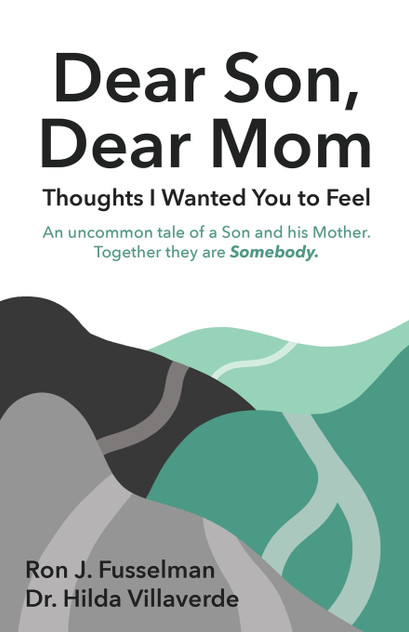
The story of a life begins before entering the world. For some, the story is uncomplicated and planned by parents as a welcomed next phase in a devoted relationship. For others, it's complex and...
In the fall of 2007, a fraternity man of Christian faith, and a physician, traveled back to his college alma mater after a long hiatus to celebrate his college homecoming. He encountered the usual...