Trending Bestseller

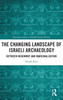
The Changing Landscape of Israeli Archaeology by Hayah Katz (Hardcover)

Between Hegemony and Marginalization

Hayah Katz

No reviews yet Write a Review
Hardback
31 July 2023
$312.40
Hurry up! Current stock:

Focused on the connections between archaeology and Israeli society, this book examines the development of Israeli archaeological research, taking historical, sociological, and political contexts into account.

Adopting a Foucauldian framework of power and knowledge, the author begins by focusing on archaeological knowledge as a hegemonic discipline, buttressing the national Zionist identity after the establishment of the State of Israel. The liberalization of political culture in the late 1970s, it is argued, opened the door for a more democratized archaeological discipline. Making use of in-depth interviews with archaeologists belonging to various groups in Israeli society as well as documents from the Israel State Archives (ISA), the book touches on multiple fields of research, including Near Eastern archaeology, religious Jewish society, Israel/Palestine relations, and the status of women in Israel. Moreover, although the book deals with the sociology of Israeli archaeology specifically, the author's comparative approach-which highlights the mirroring of social processes and the archaeological discipline-can also be applied to other societies.

The book will be of interest to researchers and students in the fields of archaeology, sociology, and Israel Studies, as well as to readers with a general interest in the archaeology of the Holy Land.

This product hasn't received any reviews yet. Be the first to review this product!

$312.40
Hurry up! Current stock:

The Changing Landscape of Israeli Archaeology by Hayah Katz (Hardcover)

$312.40

Description

Focused on the connections between archaeology and Israeli society, this book examines the development of Israeli archaeological research, taking historical, sociological, and political contexts into account.

Adopting a Foucauldian framework of power and knowledge, the author begins by focusing on archaeological knowledge as a hegemonic discipline, buttressing the national Zionist identity after the establishment of the State of Israel. The liberalization of political culture in the late 1970s, it is argued, opened the door for a more democratized archaeological discipline. Making use of in-depth interviews with archaeologists belonging to various groups in Israeli society as well as documents from the Israel State Archives (ISA), the book touches on multiple fields of research, including Near Eastern archaeology, religious Jewish society, Israel/Palestine relations, and the status of women in Israel. Moreover, although the book deals with the sociology of Israeli archaeology specifically, the author's comparative approach-which highlights the mirroring of social processes and the archaeological discipline-can also be applied to other societies.

The book will be of interest to researchers and students in the fields of archaeology, sociology, and Israel Studies, as well as to readers with a general interest in the archaeology of the Holy Land.

Customers Also Viewed