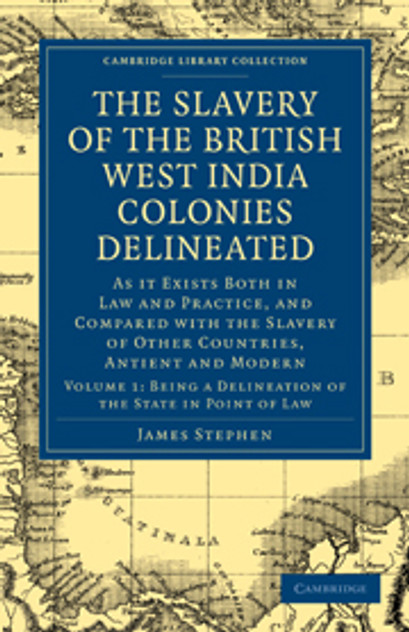


The Slavery of the British West India Colonies
James Stephen's powerful anti-slavery treatise was highly influential in the abolitionist movement of the 19th century. Through meticulous research and sharp analysis, Stephen exposes the brutal...
$50.00
![The British West India Colonies In Connection With Slavery, Emancipation, Etc., By A Resident In The West Indies For Thirteen Years [-campbell] With An Intr. And Remarks By A Late Stipendiary Magistrate In Jamaica [s. Bourne]](https://cdn11.bigcommerce.com/s-mhoxselkat/images/stencil/500x632/products/876850/804479/2057596-1022331051__07083.1736089706.jpg?c=1 "The British West India Colonies In Connection With Slavery, Emancipation, Etc., By A Resident In The West Indies For Thirteen Years [-campbell] With An Intr. And Remarks By A Late Stipendiary Magistrate In Jamaica [s. Bourne]")
![The British West India Colonies In Connection With Slavery, Emancipation, Etc., By A Resident In The West Indies For Thirteen Years [-campbell] With An Intr. And Remarks By A Late Stipendiary Magistrate In Jamaica [s. Bourne]](https://cdn11.bigcommerce.com/s-mhoxselkat/images/stencil/160w/products/876850/804906/2057597-1022331051__67571.1736089739.jpg?c=1 "The British West India Colonies In Connection With Slavery, Emancipation, Etc., By A Resident In The West Indies For Thirteen Years [-campbell] With An Intr. And Remarks By A Late Stipendiary Magistrate In Jamaica [s. Bourne]")