In the summer of 1968, audiences around the globe were shocked when newspapers and television stations confronted them with photographs of starving children in the secessionist Republic of Biafra. This global concern fundamentally changed how the Nigerian Civil War was perceived: an African civil war that had been fought for one year without fostering any substantial interest from international publics became 'Biafra' - the epitome of humanitarian crisis. Based on archival research from North America, Western Europe and Sub-Saharan Africa, this book is the first comprehensive study of the global history of the conflict. A major addition to the flourishing history of human rights and humanitarianism, it argues that the global moment 'Biafra' is closely linked to the ascendance of human rights, humanitarianism, and Holocaust memory in a postcolonial world. The conflict was a key episode for the re-structuring of the relations between the West and the Third World.
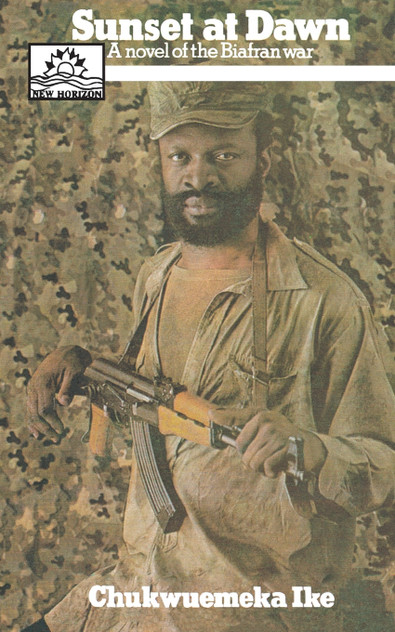
As one of Nigeria's top writers, the author is concerned with the condition of his country. In this novel he tells, with humour, a human story set in the tragedy of the Biafran war. Fatima is fleeing...
With decades of research to draw from Philip Jowett explores this extraordinary David-and-Goliath conflict, where the rag-tag Igbo tribal army of secessionist Biafra faced off against the Nigerian...