From 1998 to 2018, China had three political-economic crises, resulting in bureaucratic paralysis. It was at such junctures that China's leadership launched initiatives, like the Western Development Program, that mobilized state and market actors to expedite globalization and revive economic growth. In The Belt Road and Beyond, Min Ye reevaluates the common tendency to attribute China's Belt and Road to individual leaders' strategic ambitions, using state-mobilized globalization as a comparative framework and investigative tool to understand Chinese capitalism. State-mobilized globalization has helped sustain China's high-growth economy and social-political stability, while also sparking some political backlash. In order to succeed in globalization, the author argues, China's state mobilization must readapt to global circumstances. She sheds light on the tactics China used to spring from a crisis-stricken middle economy to a formidable global power, implicating not only China, but also the world.
Addressing the unprecedented international interest in China's high-speed railways, this book adopts a global perspective to examine the success of the system and probes into its going-global...
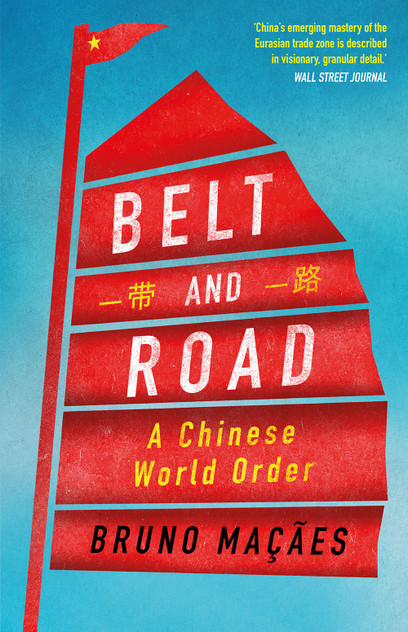
China's Belt and Road strategy is acknowledged to be the most ambitious geopolitical initiative of the age. Covering almost seventy countries by land and sea, it will affect every element of global...
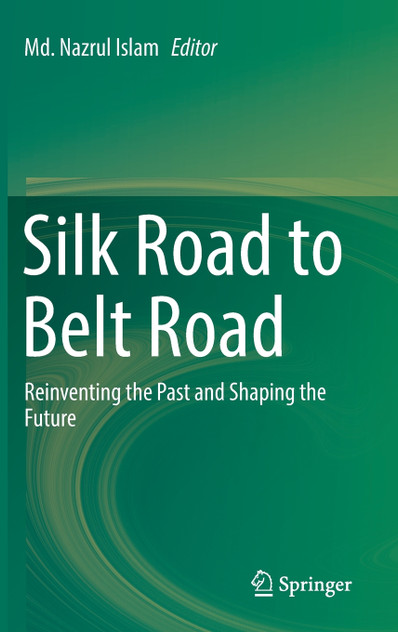
This volume approaches China's Belt and Road Initiative as a process of culturalization, one that started with the Silk Road and continued over the millennium. In mainstream literature, the Belt...
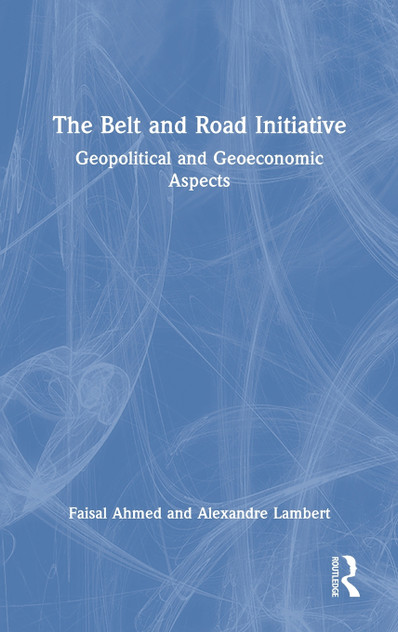
This book studies the geopolitical and geoeconomic aspects of China's Belt and Road Initiative (BRI). It argues that the BRI has the potential to redesign the spatial and territorial dimensions of...
This book aims at illustrating the OBOR Initiative (also known as 'Belt and Road Initiative' or BRI), its many facets, including its background, and how the Chinese government intends to develop this...