The Archaeology of the North American Great Plains
In this volume, Douglas B. Bamforth offers an archaeological overview of the Great Plains, the vast, open grassland bordered by forests and mountain ranges situated in the heart of North America. Synthesizing a century of scholarship and new archaeological evidence, he focuses on changes in resource use, continental trade connections, social formations, and warfare over a period of 15,000 years. Bamforth investigates how foragers harvested the grasslands more intensively over time, ultimately turning to maize farming, and examines the persistence of industrial mobile bison hunters in much of the region as farmers lived in communities ranging from hamlets to towns with thousands of occupants. He also explores how social groups formed and changed, migrations of peoples in and out of the Plains, and the conflicts that occurred over time and space. Significantly, Bamforth's volume demonstrates how archaeology can be used as the basis for telling long-term, problem-oriented human history.
The North American Great Plains is a major global breadbasket but its agriculture is stressed by drought, heat, damaging winds, soil erosion and declining ground water resources. Biomass production...
This volume offers a rich and informative introduction to North American archaeology for all those interested in the history and culture of North American natives.
Organized around central...
Many of the earliest books, particularly those dating back to the 1900s and before, are now extremely scarce and increasingly expensive. We are republishing these classic works in affordable, high...
From the early colonial period to the close of World War II, life in North America was predominantly agrarian and rural. Archaeological exploration of farmsteads unveils a surprising quantity of data...
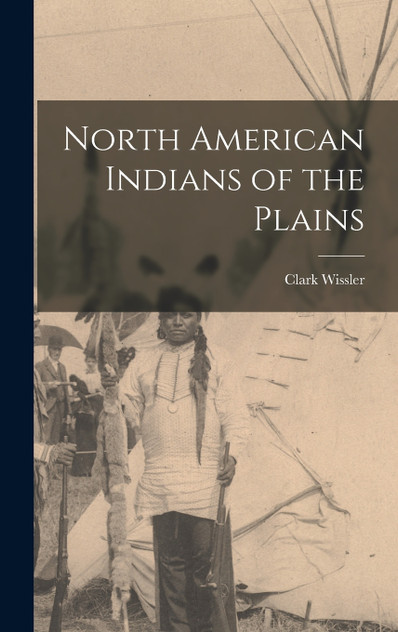
The Shelf2Life Native American Studies Collection is a unique set of pre-1923 materials that explore the characteristics and customs of North American Indians. From traditional songs and dance of...