This book argues that conflicts over slavery and abolition in the early American Republic generated a mode of constitutional interpretation that remains powerful today: the belief that the historical spirit of founding holds authority over the current moment. Simon J. Gilhooley traces how debates around the existence of slavery in the District of Columbia gave rise to the articulation of this constitutional interpretation, which constrained the radical potential of the constitutional text. To reconstruct the origins of this interpretation, Gilhooley draws on rich sources that include historical newspapers, pamphlets, and congressional debates. Examining free black activism in the North, Abolitionism in the 1830s, and the evolution of pro-slavery thought, this book shows how in navigating the existence of slavery in the District and the fundamental constitutional issue of the enslaved's personhood, Antebellum opponents of abolition came to promote an enduring but constraining constitutional imaginary.
Problems of constitutional interpretation have many faces, but much of the contemporary discussion has focused on what has come to be called "originalism." The core of originalism is the belief that...
The Making of the Modern Law: Legal Treatises, 1800-1926 includes over 20,000 analytical, theoretical and practical works on American and British Law. It includes the writings of major legal...
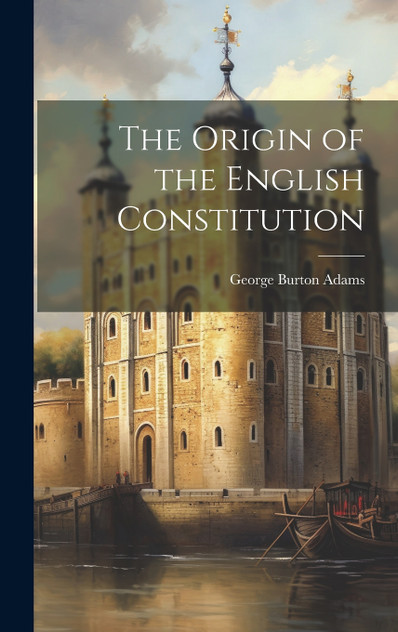
This book delves into the origins of the English Constitution and the development of its various branches of government. It explores the influence of historical events and traditions on the formation...