Why have Americans severely limited the estate and gift tax - ostensibly targeted at only the very wealthy - but greatly expanded the subsidies to low-wage workers through the Earned Income Tax Credit, now the single largest poverty program in the country? Why do people hate the property tax so much, yet seemingly revolt against it only during periods of economic change? Why are some groups of taxpayers more obedient to the tax authorities than others, even when they face the same enforcement regime? These puzzling questions all revolve around perceptions of tax fairness. Is the public simply inconsistent? A sympathetic and unified explanation for these attitudes is based on understanding the everyday psychology of fairness and how it comes to be applied in taxation. This book demonstrates how a serious consideration of 'folk justice' can deepen our understanding of how tax systems actually function and how they can perhaps be reformed.
Faire Folke Songbook by C. R. Bryan, “Shamus O’Douilhe” at Faires, is a book with twenty-four song-dance originals in both English and Spanish. They will pique the curiosity of any musician, poet, or...
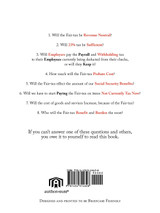
If you are a State or Local Politician Hosting a town meeting, You Don't Need this Book!If you can answer the following Questions. (Back): 1. Will the Fair-tax be Revenue Neutral? 2. Will 23% tax be...
Deep in the heart of the Trossachs countryside, in Scotland, lies the village of Aberfoyle. To the south east of the village is a hill called Doon Hill. Legend has it that this is the home of the...
A classic children's tale about Gnomes, appealing equally, if not more so, to the adult child. Written in rich, lyrical prose, frequently shifting into the peasant dialect and interspersed with...