Trending Bestseller

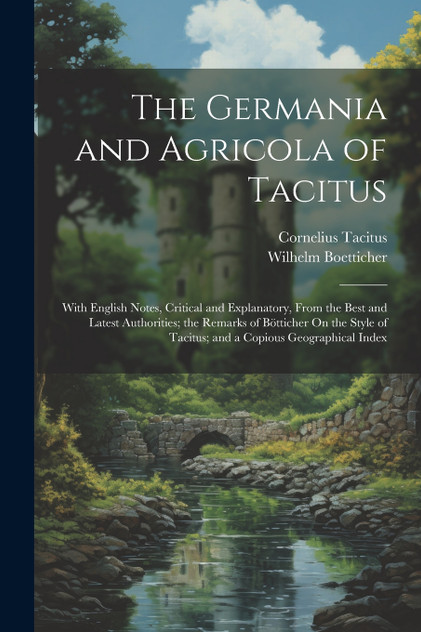
Tacitus Germania

No reviews yet Write a Review
The Germania of Tacitus is the most extensive account of the ancient Germans written during the Roman period. This new translation, introduction, and commentary provides an up-to-date guide to the relevant literary and archaeological evidence, and discusses the methodological issues involved in understanding this important historical source.
Paperback / softback
01-August-1999
RRP: $114.95
$93.00
Ships in 5–7 business days
Hurry up! Current stock:
The Germania of Tacitus is the most extensive account of the ancient Germans written during the Roman period, but has been relatively neglected in the scholarship of the English-speaking world: the last commentary appeared in 1938, and only a handful of studies have appeared since that time. In recent decades, however, there have been important scholarly developments that significantly affect our understanding of it. Ongoing archaeological work in western and central Europe has greatly increased our knowledge of the iron-age cultures in those regions, while new anthropological and literary approaches have called into question some of the traditional assumptions that shaped the use of this text as a historical source. This new commentary, together with the extensive introduction, provides a current and comprehensive guide to the relevant textual and archaeological evidence and also examines the methodological issues involved in the interpretation of this important work.

This product hasn't received any reviews yet. Be the first to review this product!

RRP: $114.95
$93.00
Ships in 5–7 business days
Hurry up! Current stock:

Tacitus Germania

RRP: $114.95
$93.00

Description

The Germania of Tacitus is the most extensive account of the ancient Germans written during the Roman period, but has been relatively neglected in the scholarship of the English-speaking world: the last commentary appeared in 1938, and only a handful of studies have appeared since that time. In recent decades, however, there have been important scholarly developments that significantly affect our understanding of it. Ongoing archaeological work in western and central Europe has greatly increased our knowledge of the iron-age cultures in those regions, while new anthropological and literary approaches have called into question some of the traditional assumptions that shaped the use of this text as a historical source. This new commentary, together with the extensive introduction, provides a current and comprehensive guide to the relevant textual and archaeological evidence and also examines the methodological issues involved in the interpretation of this important work.

Customers Also Viewed