Surrealist Art and Thought in the 1930s examines the intersection of Hegelian aesthetics, experimental art and poetry, Marxism and psychoanalysis in the theory and practice of the Surrealist movement. Locating Surrealist art and thought between modernist art and revolutionary politics, Steven Harris investigates the consequences of the Surrealists' efforts to synthesize these diverse concerns, through the invention, in 1931, of the object and in the recasting of their activities as a mode of revolutionary science. Providing a context for the cultural and political debates in France and the Soviet Union during the 1930s, he also analyzes the debate on proletarian literature, the Surrealists' reaction to the Popular Front, and their eventual defense of an experimental modern art following their break with the French Communist Party in 1935.
An interrogation of the notion of space in Surrealist theory and philosophy, this study analyzes the manifestations of space in Surrealist paintings and writings, with a specific focus on the...
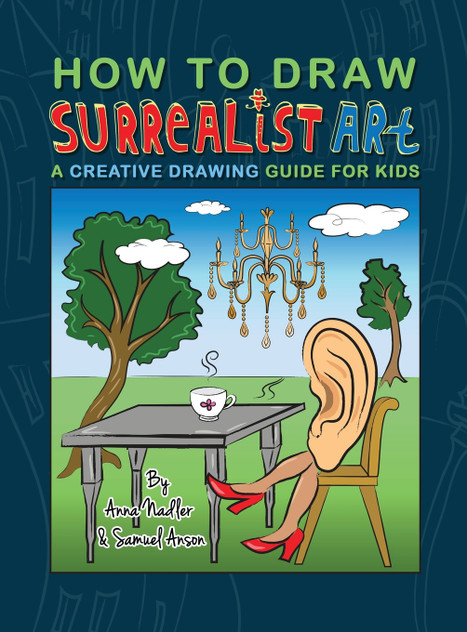
Dear Artists,You will love this book because it will teach you how to draw your own surrealist art! Surrealism is an art form that developed in the early 20th Century. Surrealist artists created...
Master's Thesis from the year 2008 in the subject Art - Sculpture / Plastics, grade: distinction, The Open University (Department of Art History), language: English, abstract: This research project...