Style is one of the oldest and most powerful analytic tools available to art writers. Through style, they have made attributions and dated paintings, classified works of art into artistic periods or schools, and verbally captured the visual essence of paintings. Despite the importance of style as an artistic, literary, and historiographic practice, the study of it as a concept has been intermittent, perhaps, as Philip Sohm argues, because style has resisted neat definition since the very origins of art history as a discipline. In this study, Sohm examines discussions of style from Vasari to Baldinucci, showing how the linguistic dimension of visual perception, the means through which painters styles have been described, and how concepts of language have shaped ideas of style. His analysis of the language that painters and their literate public used to characterize painters and paintings will enrich our understanding about the concept of style.
The articles in "Patronage, Gender & the Arts in Early Modern Italy" celebrate the work and legacy of Carolyn Valone, professor of Art History, teacher, mentor and friend to many. Valone's...
Taking as axiomatic the concept that artistic output does not simply reflect culture but also shapes it, the essays in this interdisciplinary collection take a holistic approach to the cultural...
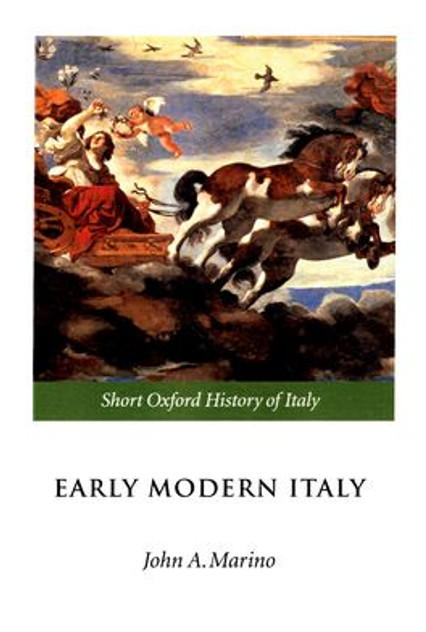
This volume provides a fresh and dynamic account of Early Modern Italy, covering such themes as politics, Italy's experience of the absolutist state, the Counter-Reformation, society and economy in...
Negotiating the Art of Fatherhood in Late Medieval and Early Modern Italy examines contested notions of fatherhood in written and visual texts during the development of the mercantile economy in...