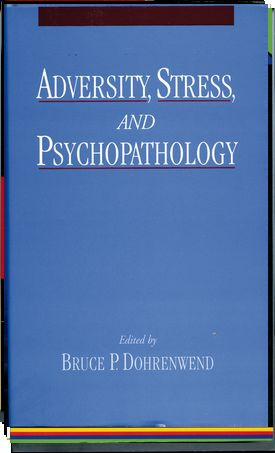
Although stress occurs at every stage of life, much research studies its effects over short-term periods, typically within circumscribed life stages. Little attention has been given to the possibilities that the consequences or impact of stress depend critically on the timing in the life course in which the individual is exposed to the stress, and that the sequence of prior stressors acts as a context for these effects. This book attempts to map the influence of early stressful experiences on later life outcomes, studying the trajectories of stressors over the life course. It examines the ramifications of stressful events at key life-course transition points, and explores the diversity of outcomes for individuals who have suffered through trauma. Finally, the book suggests methods for study of stress and adversity through the life course, where issues of timing, ordering and sequencing of stressors are crucial.
"Adversity" involves exposure to unpropitious or calamitous circumstances. It occurs in extreme situations such as prolonged combat or natural disasters, both of which affect whole groups or...
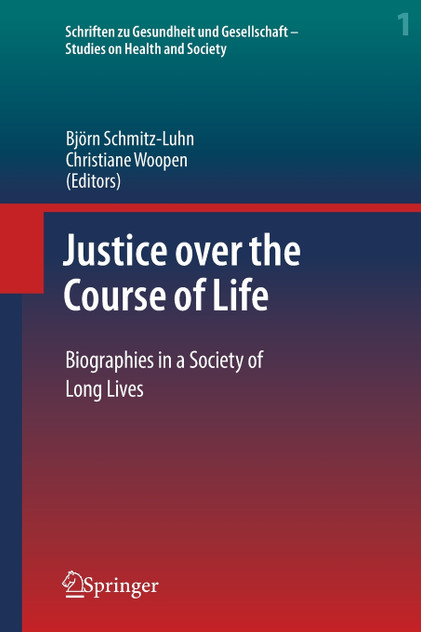
In this interdisciplinary book, experts from philosophy, medicine, law, psychology, economics, and social sciences address questions and develop solutions for a well-designed society of long life...
In Bridge Over Adversity, read the stories of 12 individuals who faced harrowing situations, major obstacles, and seemingly impossible hardships. You will hear about a woman who was trafficked, about...
What is it like to be sued for medical malpractice? Bad medical outcomes traumatize patients but they also traumatize physicians. The litigation that often follows is a profoundly human, rather than...