After the Second World War, national self-determination became a recognized international norm, yet it only extended to former colonies. Groups within postcolonial states that made alternative sovereign claims were disregarded or actively suppressed. Showcasing their contested histories, Lydia Walker offers a powerful counternarrative of global decolonization, highlighting little-known regions, marginalized individuals, and their hidden (or lost) archives. She depicts the personal connections that linked disparate nationalist struggles across the globe through advocacy networks, demonstrating that these advocates had their own agendas and allegiances, which, she argues, could undermine the autonomy of the claimants they supported. By foregrounding particular nationalist movements in South Asia and Southern Africa and their transnational advocacy networks, States-in-Waiting illuminates the un-endings of decolonization-the unfinished and improvised ways that the state-centric international system replaced empire, which left certain claims of sovereignty perpetually awaiting recognition. This title is also available as Open Access on Cambridge Core.
The Life of the Waiting Soul in the Intermediate State, has been acknowledged as a major work throughout human history, and we have taken precautions to assure its preservation by republishing this...
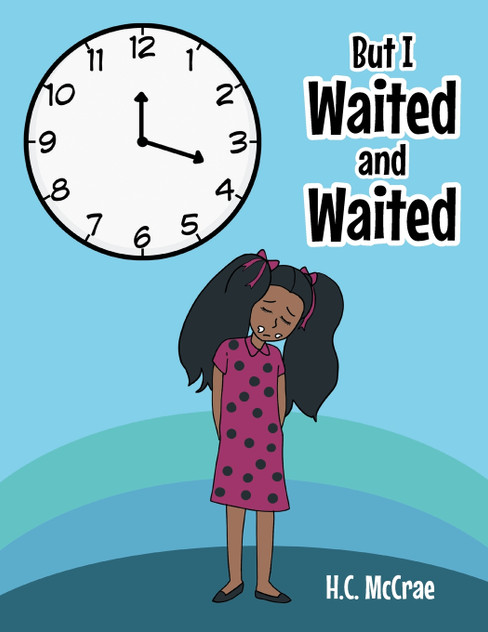
But I Waited and Waited encourages patience and illustrates the benefits of waiting. This book is awesome for reading to small children, especially during transitional times.Wouldn't it be awesome...
In this book, I will share several personal testimonies from my journey as a single woman as I have learned to wait on God. When an individual yields them self to the Holy Spirit, for the use of the...
This book is written for the entertainment of children. The main character, Little Jack, is a zonkey (a combination zebra and donkey). He was born quite small compared to the other zonkeys, and was...