Under what circumstances might climate change lead to negative security outcomes? Over the past fifteen years, a rapidly growing applied field and research community on climate security has emerged. While much progress has been made, we still don't have a clear understanding of why climate change might lead to violent conflict or humanitarian emergencies in some places and not others. Busby develops a novel argument - based on the combination of state capacity, political exclusion, and international assistance - to explain why climate leads to especially bad security outcomes in some places but not others. This argument is then demonstrated through application to case studies from sub-Saharan Africa, the Middle East, and South Asia. This book will provide an informative resource for students and scholars of international relations and environmental studies, especially those working on security, conflict and climate change, on the emergent practice and study of this topic, and identifies where policy and research should be headed.
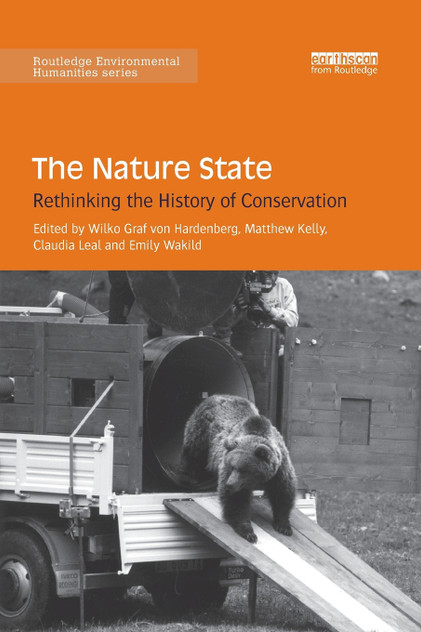
This volume brings together case studies from around the globe (including China, Latin America, the Philippines, Namibia, India and Europe) to explore the history of nature conservation in the...
In this remarkable collection of essays, Stephen Harrigan explores, with an unfailing depth of feeling, the human longing to feel at home in the world of nature. In vivid and convincing prose, he...