This book is divided into three main topical sections: (1) Parent-child construction of narrative, which focuses on aspects of the social interaction that facilitate oral narrative development in Spanish-speaking children; (2) Developing independent narration by Spanish-speaking children; and (3) Narrative links between Latino children's oral narration and their emergent literacy and other school achievements. Chapters address narration to and by Latino children aged six months to eleven years old and in low, middle, and upper socioeconomic groups. Nationalities of speakers include the following: Costa Rican, Dominican, Ecuadorian, Mexican, Peruvian, Puerto Rican, Venezuelan, and Spanish-English bilingual children who are citizens or residents of the United States. Narratives studied include those in conversations, personal and fictional stories, and those prompted by wordless picture books or videos. Thus, the current project includes diverse nationalities, socioeconomic backgrounds, and genres of narrative.
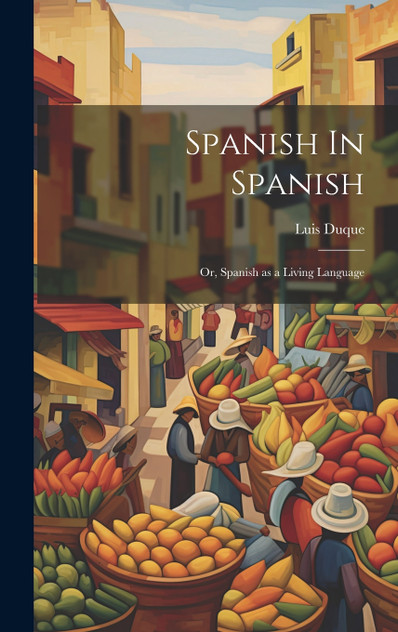
Este libro es una guía práctica para el estudio y el uso del español como lengua viva. Duque ofrece numerosos ejercicios, ejemplos, y consejos para ayudar a los estudiantes a mejorar su comprensión,...
This work has been selected by scholars as being culturally important, and is part of the knowledge base of civilization as we know it. This work was reproduced from the original artifact, and...
This is a reproduction of a book published before 1923. This book may have occasional imperfections such as missing or blurred pages, poor pictures,...