How do people use sign languages in different situations around the world? How are sign languages distributed globally? What happens when they come in contact with spoken and written languages? These and other questions are explored in this new introduction to the sociolinguistics of sign languages and deaf communities. An international team brings insights and data from a wide range of sign languages, from the USA, Canada, England, Spain, Brazil and Australia. Topics covered include multilingualism in the global deaf community, sociolinguistic variation and change in sign languages, bilingualism and language contact between signed and spoken languages, attitudes towards sign languages, sign language planning and policy, and sign language discourse. Sociolinguistics and Deaf Communities will be welcomed by students of sign language and interpreting, teachers of sign language, and students and academics working in linguistics.
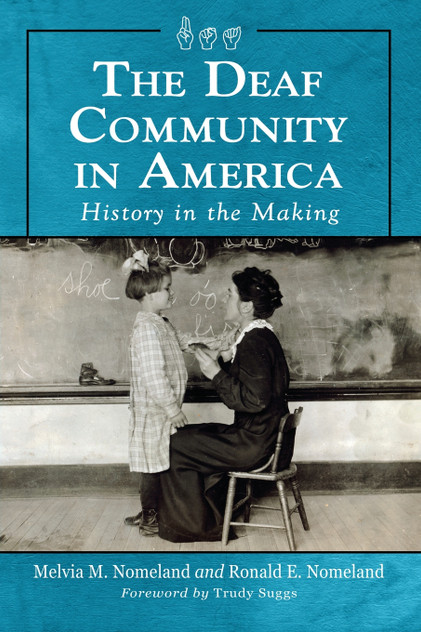
The deaf community in the West has endured radical changes in the past centuries. This work of history tracks the changes both in the education of and the social world of deaf people through the...
Setting a case study of deaf people's leisure practices in north-west England within a wider examination of communal deaf leisure across Britain, this book offers new insights into a misunderstood...
Drawing together contributions from a broad selection of internationally recognized experts in the field, this book aims to provide an up-to-date summary of research concerned with speech perception...