Heather James examines the ways in which Shakespeare handles the inheritance and transmission of the Troy legend. She argues that Shakespeare's use of Virgil, Ovid and other classical sources demonstrates the appropriation of classical authority in the interests of developing a national myth, and goes on to distinguish Shakespeare's deployment of the myth from 'official' Tudor and Stuart ideology. James traces Shakespeare's reworking of the myth in Troilus and Cressida, Antony and Cleopatra, Cymbeline and The Tempest, and shows how the legend of Troy in Queen Elizabeth's day differed from that in the time of King James. The larger issue the book confronts is the directly political one of the way in which Shakespeare's textual appropriations participate in the larger cultural project of finding historical legitimation for a realm that was asserting its status as an empire.
This work has been selected by scholars as being culturally important, and is part of the knowledge base of civilization as we know it. This work was reproduced from the original artifact, and...
This is a reproduction of a book published before 1923. This book may have occasional imperfections such as missing or blurred pages, poor pictures, errant marks, etc. that were either part of the...
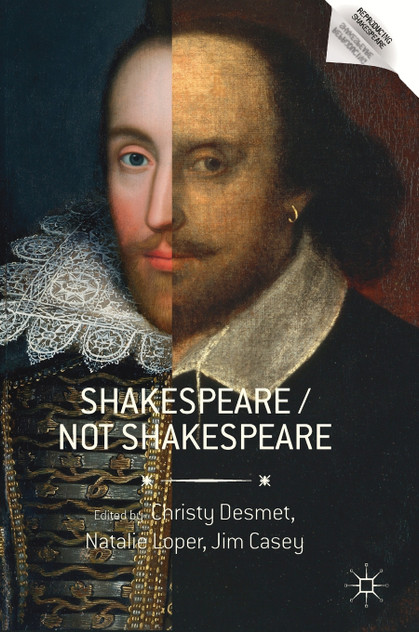
This essay collection addresses the paradox that something may at once "be" and "not be" Shakespeare. This phenomenon can be a matter of perception rather than authorial intention: audiences may...