Analysing Shakespeare's historical background and craft, Spencer's 1943 study investigates the intellectual debates of Shakespeare's age, and the effect these had on the drama of the time. The book outlines the key conflict present in the sixteenth century - the optimistic ideal of man's place in the universe, as presented by the theorists of the time, set against the indisputable and ever-present fact of original sin. This conflict about the nature of man, argues Spencer, is perhaps the deepest underlying cause for the emergence of great Renaissance drama. With detailed reference to Shakespeare's great tragedies, the book demonstrates how Shakespeare presents the fact of evil masked by the appearance of good. Shakespeare's last plays, especially The Winter's Tale and The Tempest, are also analysed in detail to show how they embody a different view from the tragedies, and the discussion is related to the larger perspective of general human experience.
This work has been selected by scholars as being culturally important, and is part of the knowledge base of civilization as we know it. This work was reproduced from the original artifact, and...
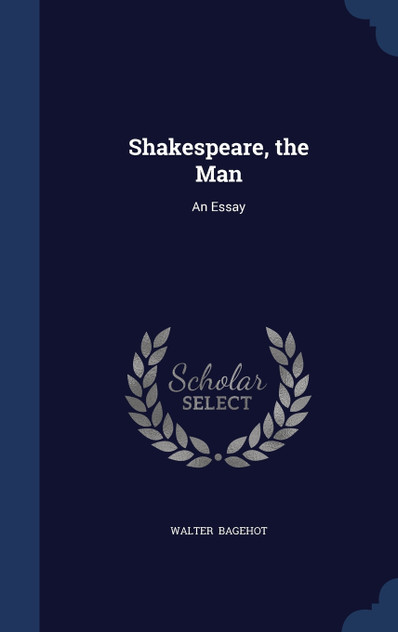
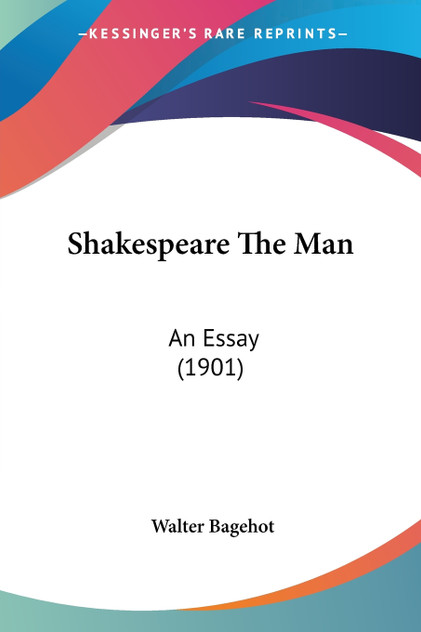
""Shakespeare The Man: An Essay"" is a book written by Walter Bagehot in 1901. This book is a critical analysis of the life and works of William Shakespeare, one of the most renowned playwrights in...
This work has been selected by scholars as being culturally important, and is part of the knowledge base of civilization as we know it. This work was reproduced from the original artifact, and...
This book offers a radically new interpretation of Shakespeare's depiction of Nature. Traditionally, this approach has been based on separating nature as either specific to the individual, or the...