On January 1, 1863, Abraham Lincoln announced the Emancipation Proclamation, an event that soon became a bold statement of presidential power, a dramatic shift in the rationale for fighting the Civil War, and a promise of future freedom for four million enslaved Americans. But the document marked only a beginning; freedom's future was anything but certain. Thereafter, the significance of both the Proclamation and of emancipation assumed new and diverse meanings, as African Americans explored freedom and the nation attempted to rebuild itself. Despite the sweeping power of Lincoln's Proclamation, struggle, rather than freedom, defined emancipation's broader legacy. The nine essays in this volume unpack the long history and varied meanings of the emancipation of American slaves. Together, the contributions argue that 1863 did not mark an end point or a mission accomplished in black freedom; rather, it initiated the beginning of an ongoing, contested process.
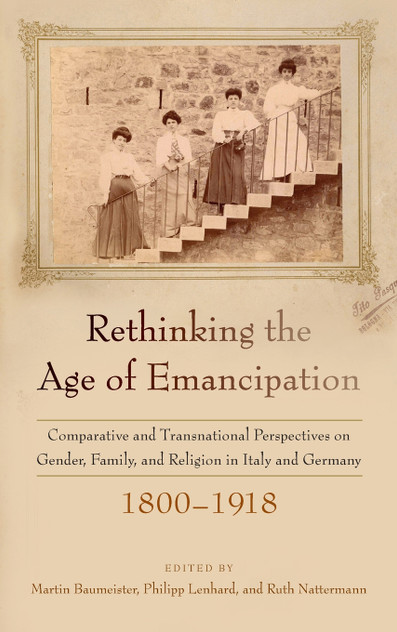
Since the end of the nineteenth century, traditional historiography has emphasized the similarities between Italy and Germany as "late nations", including the parallel roles of "great men" such as...
This collection of historical documents sheds light on the struggle for South American independence in the early 19th century. The documents were compiled by Francisco de Miranda, one of the key...
The Emancipation Of The American City is a book written by Walter Tallmadge Arndt and published in 1917. The book is an analysis of the urbanization process that was taking place in America during...