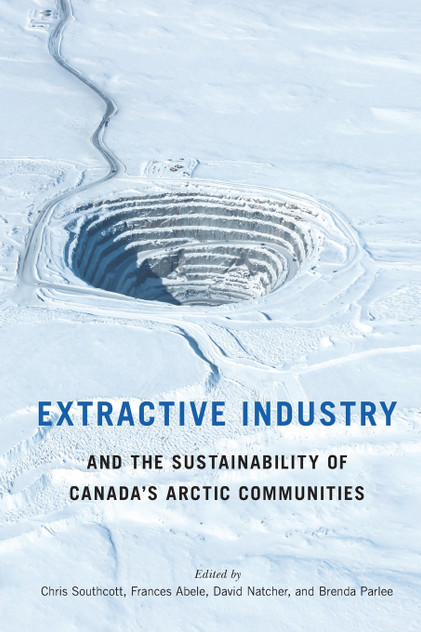
For decades, a post-Cold War narrative heralded a 'new Arctic', with melting ice and snow and accessible resources that would build sustainable communities. Today, large parts of the Arctic are still trapped in the path dependencies of past resource extraction. At the same time, the impetus for green transitions and a 'new industrialism' spell opportunities to shift the development model and build new futures for Arctic residents and Indigenous peoples. This book examines the growing Arctic resource dilemma. It explores the 'new extractivist paradigm' that posits transitioning the region's long-standing role of delivering minerals, fossil energy, and marine resources to one providing rare earth elements, renewable power, wilderness tourism, and scientific knowledge about climate change. With chapters from a global, interdisciplinary team of researchers, new opportunities and their implications for Arctic communities and landscapes are discussed, alongside the pressures and uncertainties in a region under geopolitical and environmental stress.
Modern treaties, increased self-government, new environmental assessment rules, co-management bodies, and increased recognition and respect of Indigenous rights make it possible for northern...
The Arctic zone of the Earth is a major source of mineral and other natural resources for the future development of science and technology. It contains a large supply of strategic mineral deposits,...
This book offers an overview of the key debates in the burgeoning anthropological literature on resource extraction. Resources play a crucial role in the contemporary economy and society, are...
International institutions (United Nations, World Bank) and multinational companies have voiced concern over the adverse impact of resource extraction activities on the livelihood of indigenous...