Traditional theistic proofs are often understood as evidence intended to compel belief in a divinity. John Clayton explores the surprisingly varied applications of such proofs in the work of philosophers and theologians from several periods and traditions, thinkers as varied as Ramanuja, al-Ghazali, Anselm, and Jefferson. He shows how the gradual disembedding of theistic proofs from their diverse and local religious contexts is concurrent with the development of natural theologies and atheism as social and intellectual options in early modern Europe and America. Clayton offers a fresh reading of the early modern history of philosophy and theology, arguing that awareness of such history, and the local uses of theistic argument, offer important ways of managing religious and cultural difference in the public sphere. He argues for the importance of historically grounded philosophy of religion to the field of religious studies and public debate on religious pluralism and cultural diversity.
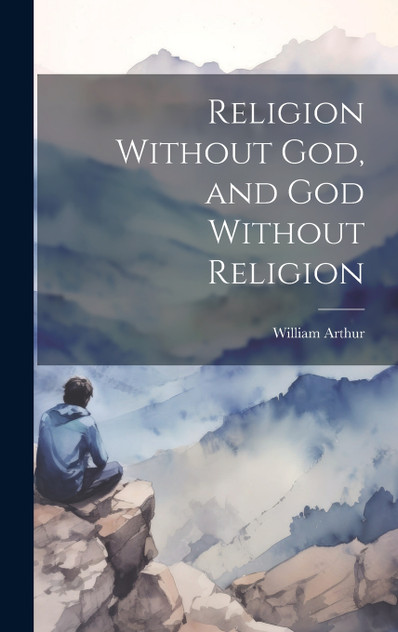
In this thought-provoking book, William Arthur explores the idea of religion without God and God without religion. He argues that it is possible to be a deeply spiritual person without subscribing to...
The Gods and Religions - of Ancient and modern times - Volume II is an unchanged, high-quality reprint of the original edition of 1881.Hansebooks is editor of the literature on different topic areas...