This is one of the first single-author comparisons of different South Asian states around the theme of religious conflict. Based on new research and syntheses of the literature on 'communalism', it argues that religious conflict in this region in the modern period was never simply based on sectarian or theological differences or the clash of civilizations. Instead, the book proposes that the connection between religious radicalism and everyday violence relates to the actual (and perceived) weaknesses of political and state structures. For some, religious and ethnic mobilisation has provided a means of protest, where representative institutions failed. For others, it became a method of dealing with an uncertain political and economic future. For many it has no concrete or deliberate function, but has effectively upheld social stability, paternalism and local power, in the face of globalisation and the growing aspirations of the region's most underprivileged citizens.
This is a major new contribution to comparative and multidisciplinary scholarship on the alignment of religion and violence in South and Southeast Asia.
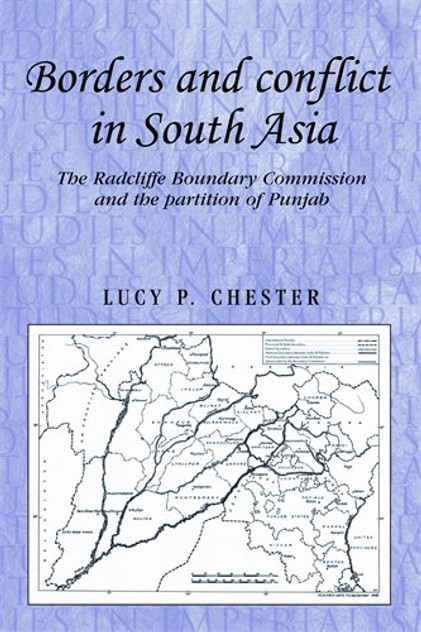
Borders and conflict in South Asia is the first full-length study of the 1947 drawing of the Indo-Pakistani boundary in Punjab. Using the Radcliffe commission as a window onto the decolonisation and...
South Asia is a distinct geographical entity comprised of seven countries - India, Pakistan, Bangladesh, Nepal, Bhutan, Sri Lanka and Maldives (situated in the Indian Ocean). The region, as discussed...
This book highlights emerging trends and new themes in South Asian history. It covers issues broadly related to religion, materiality and nature from differing perspectives and methods to offer a...