Regulation and the Revolution in United States Farm Productivity
Since the 1930s when the government began active regulation, US agriculture has undergone a revolution in productivity. Sally Clarke explains how government activity, from support for research to price supports and farm credit programs, created a climate favorable to rapid gains in productivity. Farmers in the Corn Belt delayed purchases of the tractor, the most important agricultural technology, despite the cost savings it promised. Tractor purchases required large sums of cash at a time when families faced unstable prices and unattractive credit markets. The New Deal inadvertently changed this investment climate. Regulation stabilized prices, introduced new sources of credit, and caused tool manufacturers and private creditors to revise their business strategies. Competitive farmers took advantage of these new conditions to invest in expensive technology and achieve new gains in productivity.
This official government document outlines regulations for the United States Lighthouse Service, including instructions for lighthouse keepers and administration of the service. Published during...
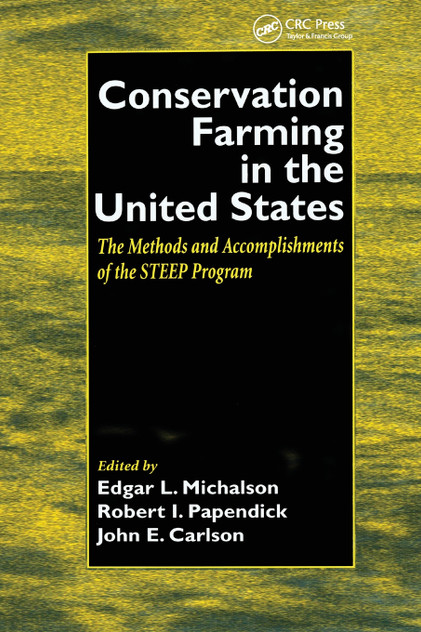
Conservation Farming in the United States: The Methods and Accomplishments of the STEEP Program explains the success of the multidisciplinary STEEP (Solutions to Economic and Environmental Problems)...
This work has been selected by scholars as being culturally important, and is part of the knowledge base of civilization as we know it. This work was reproduced from the original artifact, and...
This document is part of the United States Department of Agriculture's (USDA) Rural Development Publications collection. This collection includes publications ...
This work has been selected by scholars as being culturally important, and is part of the knowledge base of civilization as we know it.This work is in the "public domain in the United States of...