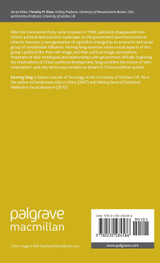

It has become a truism that continued economic reform in China will contribute to political change. Policy makers as well as many scholars expect that formation of a private sector will lead, directly or indirectly through the emergence of a civil society, to political change and ultimately democratization. The rapidly growing numbers of private entrepreneurs, the formation of business associations, and the cooperative relationships between entrepreneurs and local officials are seen as initial indicators of a transition from China's still nominally communist political system. This book, first published in 2003, focuses on two related issues: whether the Chinese Communist Party is willing and able to adapt to the economic environment its reforms are bringing about, and whether China's 'red capitalists', private entrepreneurs who also belong to the communist party, are likely to be agents of political change.
China is currently encountering increasing social problems, together with the rise of mass discontent and public protest, despite having achieved enormous economic growth after nearly thirty years of...
This book provides a rare account of China's market transformation in the own words of the Chinese: politicians, intellectuals, the media, and journalists. The Chinese rhetoric-complex, ironic,...
How China Became Capitalist details the extraordinary, and often accidental, journey that China has taken over the past thirty years in transforming itself from a closed agrarian socialist economy to...
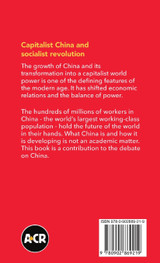
The economic and political growth of China and its transformation into a capitalist world power is one of the defining features of the modern age. It has shifted economic relations and the balance of...