The book examines the way Russian presidents Yeltsin, Medvedev, and Putin have used their constitutional decree powers since the end of the Soviet regime. The Russian constitution gives the Russian president extremely broad decree-making power, but its exercise is constrained by both formal and informal considerations. The book compares the Russian president's powers to those of other presidents, including the executive powers of the United States president and those of Latin American presidents. The book traces the historical development of decree power in Russia from the first constitution in 1905 through the Soviet period and up to the present day, showing strong continuities over time. It concludes that Russia's president operates in a strategic environment, where he must anticipate the way other actors, such as the bureaucracy and the parliament, will respond to his use of decree power.
This work has been selected by scholars as being culturally important, and is part of the knowledge base of civilization as we know it.This work is in the "public domain in the United States of...
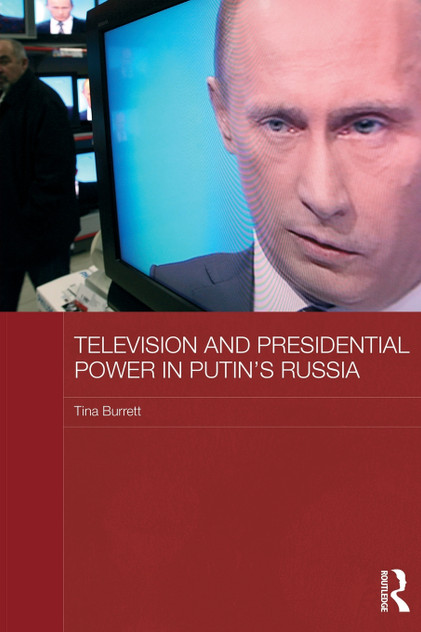
As a new president takes power in Russia, this book provides an analysis of the changing relationship between control of Russian television media and presidential power during the tenure of President...
This is a reproduction of a book published before 1923. This book may have occasional imperfections such as missing or blurred pages, poor pictures, errant marks, etc. that were either part of the...